 Pallas
Reading 6 of 14 · Indiana Grade 4 Social Studies
The Coffins and the Underground Railroad in Indiana
Read the story told here and take notes on the Narrative Notes Template provided by your teacher.
Chapter One: Enslaved People Flee Across the Ohio River
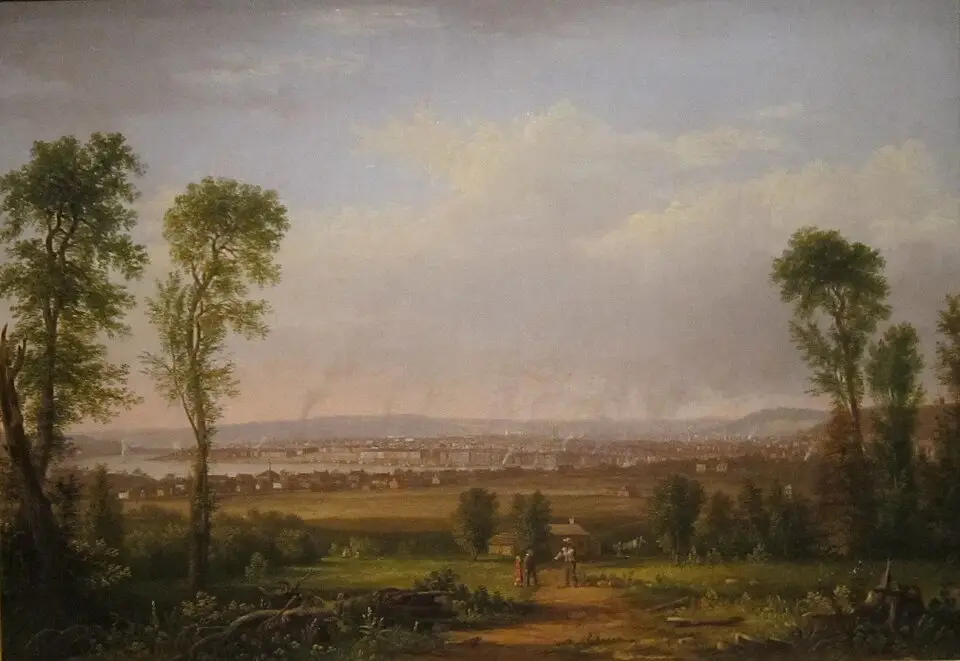
When Indiana became a state in 1816, its laws said that no one could be enslaved there. But even though slavery was not allowed, life was far from fair for Black people. Black residents could not vote and could not send their children to public schools. Most white Hoosiers (people from Indiana) believed slavery was wrong, but they did not want to fight to end it everywhere. They worried that pushing too hard against slavery would start a big conflict with the Southern states.
While Hoosiers debated what to do about slavery, enslaved people in states like Kentucky were not waiting. Slaves who sought freedom crossed the Ohio River into Indiana, often traveling at night and hiding by day. They traveled through a system known as the Underground Railroad. The Underground Railroad was a secret network of safe houses and helpers that guided slaves toward freedom in Canada.
Using the Underground Railroad carried real dangers. Slave hunters, who were people who were paid to catch escaped enslaved people and bring them back to their enslavers, chased freedom seekers across the river. Harsh laws made it a crime for anyone to help a freedom seeker escape. If caught, slave hunters dragged them back south into slavery. Slave hunters caught many freedom seekers before they could reach safety in Canada.
Chapter Two: Levi and Catharine Coffin Organize the Railroad
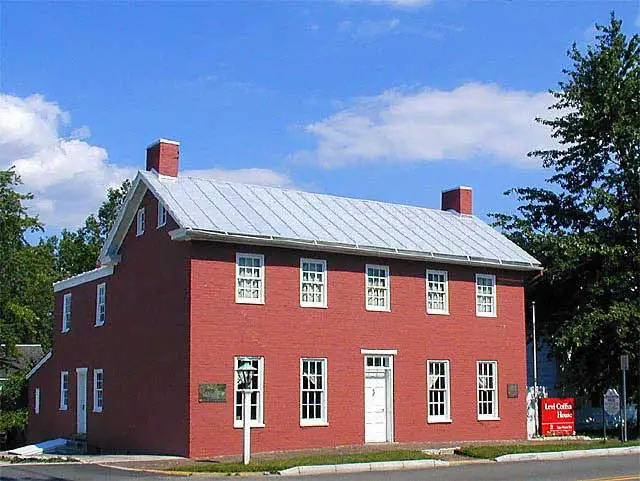
In 1826, a Quaker named Levi Coffin moved to the small town of Newport, Indiana (now called Fountain City) because he hated slavery and wanted to live in a free state. Coffin decided to help freedom seekers using the Underground Railroad. By the winter of 1826–1827, he and his wife Catharine had turned their own house into a station, a safe stopping place on the Underground Railroad. Catharine fed and sheltered the tired travelers, while Levi arranged for conductors to guide them safely to the next station further north.
Over the years, more and more freedom seekers came through the Coffin home. Levi started organizing with other helpers on the Underground Railroad so that more people reached safety. Over time, Levi Coffin and the network of helpers grew stronger and more reliable. The effort became so well known that slaveholders began calling Coffin the president of the Underground Railroad. But many of their neighbors worried that all of this would cause a dangerous split in the country.
Chapter Three: Hoosiers Choose Sides as the Union Breaks
Through the 1850s, Hoosiers turned against slavery more forcefully than ever before. In 1850, Congress passed the Fugitive Slave Act. This law forced people in free states to help return escaped slaves to their owners. Many Hoosiers refused to obey it. They spoke out against slaveholders who they believed would stop at nothing to spread slavery. Then in 1854, Congress opened new areas to slavery with the Kansas-Nebraska Act. Even Hoosiers who had once blamed abolitionists (people working to end slavery) for stirring up trouble began to see that the South valued slavery above the country itself.
In 1860, Abraham Lincoln won the presidential election. Southern states began to secede (leave the Union and form their own country, called the Confederate States of America). When Lincoln called for volunteers to fight the rebellion in 1861, Hoosiers signed up in far greater numbers than he asked for. Indiana was firmly committed to saving the Union and to the hope that slavery could finally be brought to an end. By the time the war was over, that hope came true: slavery was abolished across the entire nation, and the freedom that so many enslaved people had risked everything to find was at last written into law.