 Pallas
Reading 7 of 14 · Indiana Grade 4 Social Studies
Lincoln's Indiana and the Hoosiers Who Saved the Union
Read the story told here and take notes on the Narrative Notes Template provided by your teacher.
Chapter One: Young Abe Grows Up on Indiana's Frontier
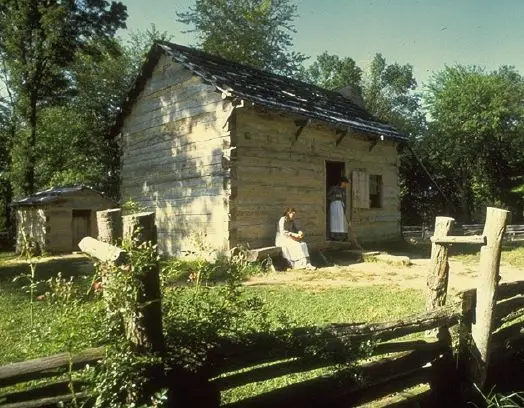
Abraham Lincoln was born in Kentucky, but in December 1816, when he was seven years old, his family moved to Indiana. Then, in the autumn of 1818, an illness called milksickness swept through the settlement, and neighbors fell sick and died one after another. Abraham's mother caught the disease too, and she died at just thirty-five years old. Abraham was only nine, and losing her left a deep mark on him.
Despite this grief, young Abraham Lincoln found ways to grow. He read every book he could get his hands on, walking miles to borrow them from neighbors. He had very little regular schooling, but he taught himself through reading. Abraham also discovered a gift for speaking and storytelling. By the time he turned twenty-one in 1830, those hard years had shaped him into a sharp, self-educated young man. That year, the Lincoln family packed up once more and headed west to Illinois.
In 1858, Lincoln ran for the United States Senate against a man named Stephen Douglas. The two men held a series of famous debates about slavery, and although Lincoln lost that race, his sharp arguments made him known across the country. Two years later, in November 1860, Americans elected Abraham Lincoln as their president. Before Lincoln even took office, several Southern states broke away from the United States and formed their own country, because they feared that Lincoln would oppose slavery that was a big part how farms in Southern states worked. In April 1861, soldiers from that new country, known as the Confederate States of America, attacked a United States fort called Fort Sumter, in South Carolina. The Civil War had begun, and President Lincoln needed soldiers to fight to bring the country back together.
Chapter Two: Governor Morton Mobilizes Indiana for War
President Lincoln called for 75,000 volunteers to answer the attack. That very same day, Indiana's governor, Oliver Morton, sent a telegram offering 10,000 Indiana soldiers. Morton called on all Hoosiers to unite for the Union cause. His energy paid off: Indiana sent more volunteers than almost any other Union state.
Chapter Three: Hoosier Soldiers and Families Sacrifice for the Union
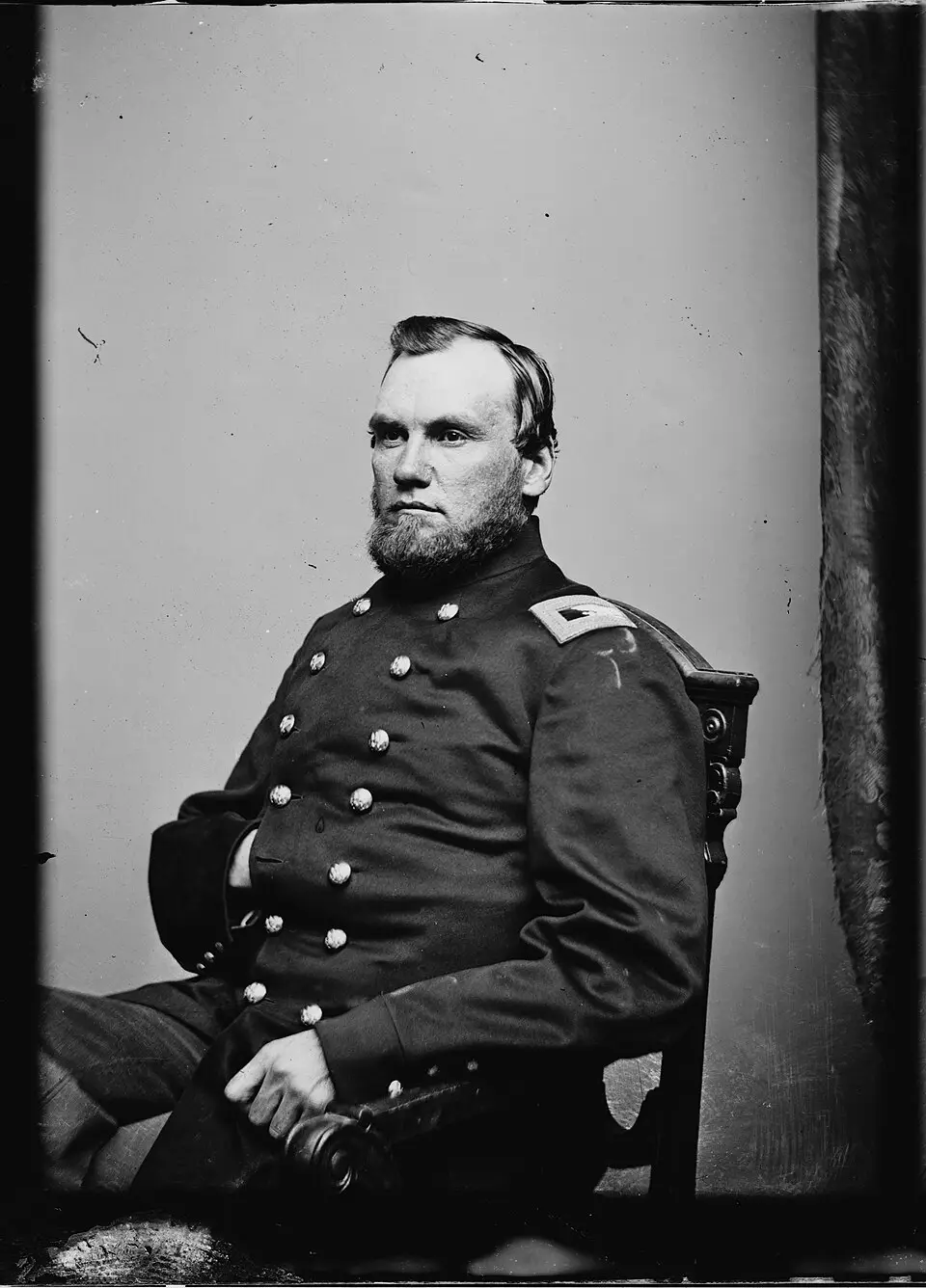
Nearly 200,000 Hoosier soldiers served in the Union army and navy during four years of fighting. They marched, camped, and fought in battles across the South. Among them, the Iron Brigade — which included the 19th Indiana Volunteers, known for their black hats — earned fame as some of the toughest soldiers in the entire army. At the Battle of Gettysburg in July 1863, the Iron Brigade held its ground against a fierce Confederate attack, helping to turn the tide of the battle. More than six out of every ten of the brigade's soldiers were killed or wounded in a single day. Altogether, more than one out of every ten Hoosier soldiers gave their lives during the war. Their sacrifice helped the Union hold together.
Governor Oliver Morton worked hard to hold Indiana together through the war's deepest divisions. On January 1, 1863, President Abraham Lincoln signed the Emancipation Proclamation, freeing enslaved people in Confederate states. Morton rallied support across the state, calling on Hoosiers to stay united for the Union cause.
In April 1865, the Union won the war, and the nation that Abraham Lincoln had fought to hold together endured. Over the summer, returning Hoosier soldiers marched home to parades and dinners. They came back to a country where slavery had ended for good, thanks to the Thirteenth Amendment. The boy who weathered a tough childhood in Indiana had grown up to preserve the Union and help end slavery, and the state that raised him had sent its soldiers and supplies to help win that cause.