 Pallas
Reading 5 of 14 · Indiana Grade 4 Social Studies
Pioneer Families Settle the Indiana Frontier
Read the story told here and take notes on the Narrative Notes Template provided by your teacher.
Chapter One: Settlers Stream Toward Indiana's Thick Forests
In the early 1800s, families in eastern U.S. states grew restless. Around this time, the United States fought a war known as the War of 1812. When the war ended, American Indian tribes in the area lost much of their remaining land, and the U.S. federal government bought millions of acres from them. The U.S. government sold this land to American families at low prices. That was reason enough for many families in eastern U.S. states to go. Thousands of these pioneer families packed up and headed west, eager for a fresh start on land they could afford.
Pioneer families traveled west by different routes. No matter which route they chose, the journey was long and hard. When they finally arrived, they found thick forest and wet, swampy ground that many people warned was full of disease. Some families settled near a creek and got right to work. Others planned from the start to clear a place, build it up, and then move on to the next frontier.
Chapter Two: Families Clear the Wilderness and Fight Sickness
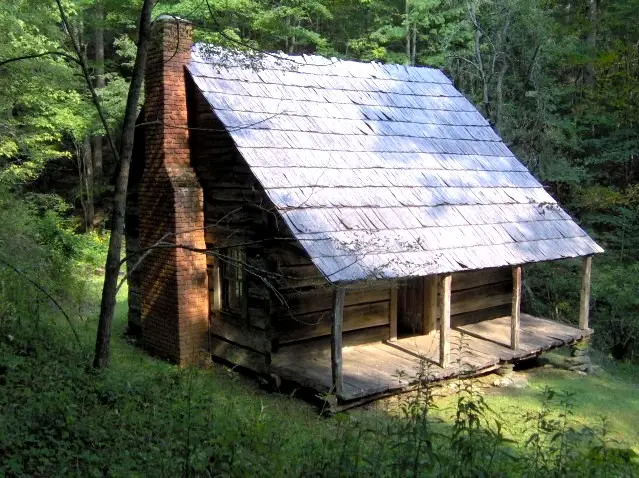
When a pioneer family found the right spot — usually along a creek in a thick forest — the real work began. They cut down trees and shaped logs to build a cabin and a barn. The older children worked right alongside their parents, swinging axes and breaking the tough soil. A few acres were added each year, but progress was slow. It could take twenty or thirty years for one family to turn the forest into a full farm.
Every autumn, pioneer families faced their worst enemy: sickness. Families waded through swampy ground and breathed the air around still ponds where swarms of mosquitoes bred. The disease those mosquitoes carried, malaria, left whole families shaking with chills and burning with fever for weeks. Gaunt and weakened, some families could barely stand, let alone tend their crops or care for their animals. The sickness returned year after year, and there seemed to be no way to escape it.
What saved pioneer families from this misery was one another. When sickness struck, frontier neighbors stepped in. They nursed the sick, fed livestock, and kept up the farm chores that could not wait. Helping a neighbor was the only way to make sure someone would help you when your own family fell ill. A family too weak to harvest its own corn could count on the people living down the creek to lend their hands. By helping each other through the worst times, these neighbors built tight bonds of community that carried families through one crisis after another.
Chapter Three: Wilderness Becomes Farmland and Growing Towns
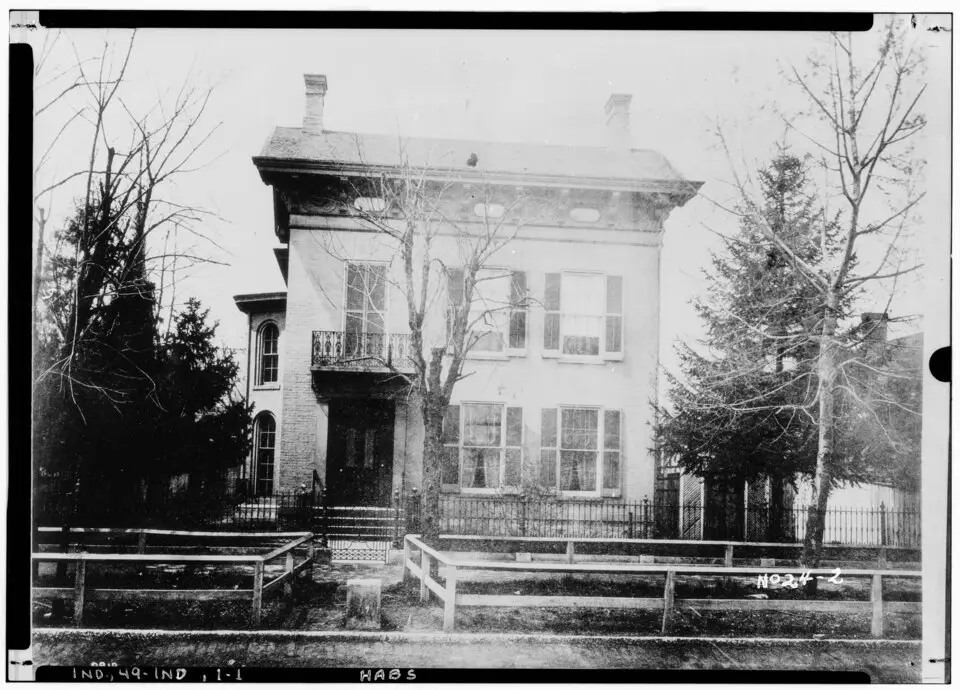
By the 1840s, the years of hard work began to pay off. Pioneer families had turned millions of acres of thick forest into farms. To get all this surplus to buyers, Indiana farmers loaded their boats with corn, pork, whiskey, and lumber. They floated their boats down Indiana's rivers to markets along the lower Mississippi. From the 1820s through the early 1850s, hundreds of small boats traveled Indiana's waterways each year. The money they brought back helped local shops, mills, and farms grow.
Small towns sprouted up where only wilderness had stood a few years before. Schools opened their doors to children, churches gathered worshippers, and weekly newspapers kept people informed. By the 1850s, close to thirteen million acres of farmland covered the state. The pioneer families who had once crossed the Ohio River looking for a fresh start had built a settled land of farms, towns, schools, and neighbors who depended on one another. Some restless pioneers packed up and left for Illinois or points farther west to begin the cycle again. But the communities their families had built on Indiana's soil stood strong.