 Pallas
Reading 10 of 14 · Indiana Grade 4 Social Studies
The Automobile Transforms Indiana
Read the story told here and take notes on the Narrative Notes Template provided by your teacher.
Chapter One: Hoosiers Travel Slow on Rough Roads
In the 1890s, most people in Indiana got around the same way their grandparents had. They traveled on foot, on horseback, or in a horse-drawn wagon. The state didn't build or fix roads, so there were no smooth roads from one city to the next. As a result, getting around Indiana was slow and uncomfortable. One young man in Indianapolis was about to change all of that. His name was Carl Fisher.
Carl Fisher loved speed and excitement. In the late 1800s, he opened a bicycle shop in Indianapolis. Fisher raced bicycles and became known as a bold businessman. In 1893, a "horseless carriage" (an early automobile) completed a trial run on a road near Kokomo at just eight miles per hour. By 1901, Fisher was giving his full attention to automobiles. He saw one big problem: Indiana had no smooth roads on which to drive these exciting new machines.
Chapter Two: Carl Fisher Builds a Speedway and Dreams Big
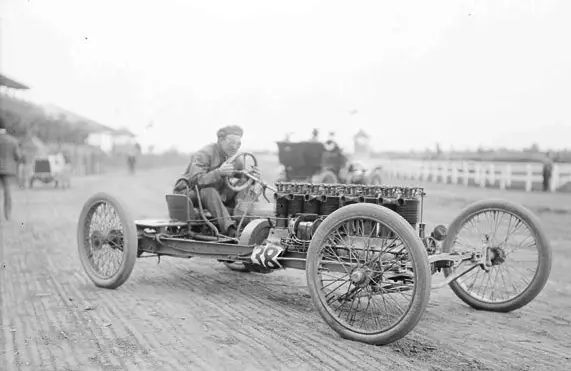
In 1909, Carl Fisher bought land on the edge of Indianapolis and built the Indianapolis Motor Speedway. At that time, there were almost no smooth roads in the country, and so Fisher built the Speedway in order to have a place where cars could be driven at high speeds. The Speedway's biggest moment came in the summer of 1911, when it hosted its first 500-mile race. The race showed that cars were tough and could last a long journey. The Indianapolis 500 went on to become a famous annual tradition.
But Fisher had an even bigger idea. In September 1912, he spoke to a group of car makers and dealers in Indianapolis. He asked them to give money to help build roads. Fisher and the car makers ended up starting the Lincoln Highway Association in July 1913. Its goal was to build a highway from New York to San Francisco, with the route passing through northern Indiana.
Chapter Three: New Highways Make Indiana the Crossroads
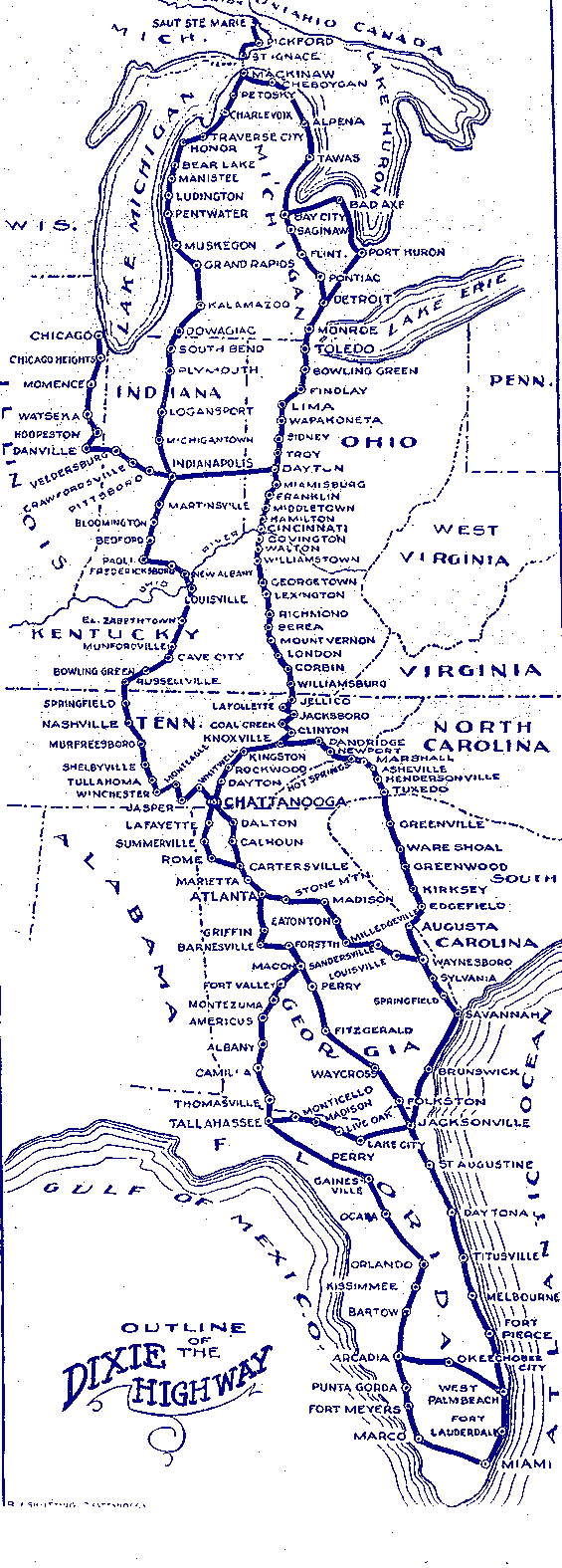
Carl Fisher did not stop with the Lincoln Highway. In 1914, he began pushing for a second great road. It was called the Dixie Highway. It ran north to south from the Great Lakes all the way to Florida. Fisher donated money and paving materials. He asked car makers to give some of their money to help pay for roads. He also asked governments to help share the cost.
Road supporters across Indiana came together to make better highways a reality. Newspapers showed how terrible roads hurt farmers and slowed mail delivery. Auto clubs and farmers spoke up, and state leaders joined the cause. By 1915, building had begun in northern Indiana, and permanent road building in the state was underway.
Indiana's state government took the next big steps to make these gains last. It took over caring for highways in 1920, so that roads would be maintained year after year. Then in 1925, every big road received an official number from the national government. This way, drivers anywhere could follow the same route. Indiana had so many major highways running through it that the state earned a new nickname. By the mid-1920s, Indiana was known as the Crossroads of America.