 Pallas
Reading 3 of 14 · Indiana Grade 4 Social Studies
The Frozen March That Saved the Frontier
Read the story told here and take notes on the Narrative Notes Template provided by your teacher.
Chapter One: The British Control the Western Frontier
Long before Indiana became a state, many different peoples had already called this land home. Thousands of years earlier, ancient mound-building peoples had farmed the river valleys and raised great earthen mounds that can still be seen in Indiana today. Later, Native American tribes such as the Miami lived and hunted across those same forests and rivers, building their own villages and ways of life. French families arrived after that and built small trading towns along the waterways. By the late 1770s, the British had taken control of the whole region, ruling it from the faraway city of Detroit.
By 1777, though, American settlers had also begun pushing into nearby Kentucky. Henry Hamilton, the British leader in Detroit, was determined to drive these newcomers out. Hamilton organized raids against the new settlements by supplying Native American warriors with weapons, food, and ammunition. Many tribes fought alongside the British because they wanted to stop settlers from pushing onto their lands. Hamilton's raids left Kentucky's American settlers surrounded by enemies, with no help nearby.
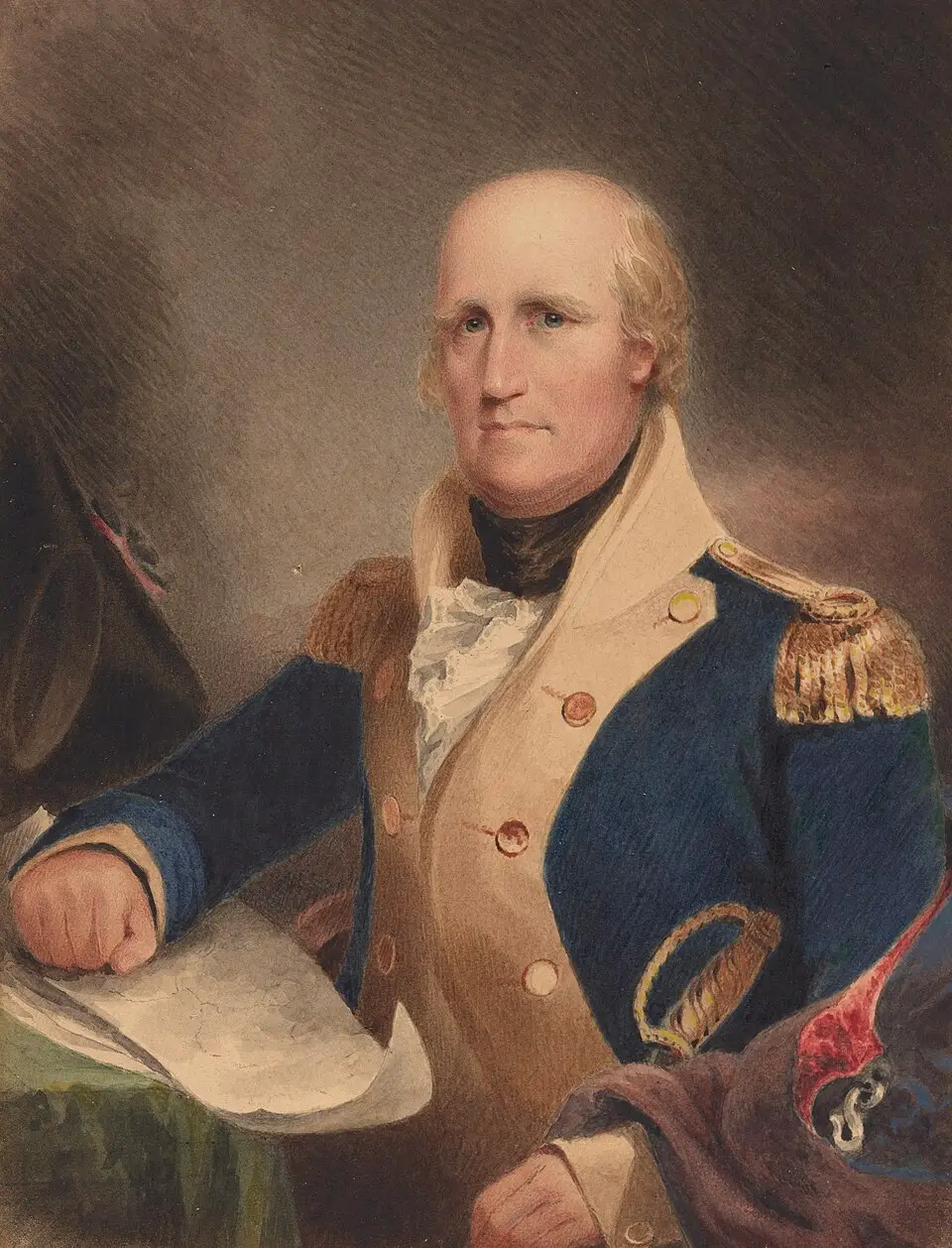
George Rogers Clark, a young frontiersman from Virginia, wanted to protect Kentucky by attacking British forts farther west. He asked Virginia's governor for help, and the governor agreed to back a secret mission. Clark gathered a small band of volunteer soldiers and led them west in the spring of 1778. Clark's men took over the British forts in the Illinois country. For a while, Clark had guided the Americans to victory, and the western frontier belonged to the United States.
Chapter Two: Clark's Men March Through the Floodwaters
That hope did not last long. In December 1778, Henry Hamilton marched south from Detroit with British soldiers and Native American allies. Everything Clark had gained was now in danger. Hamilton planned to wait out the winter and then sweep through the Illinois country in the spring, wiping out Clark's posts one by one. Kentucky's settlements once again faced the threat of destruction.
Clark had an idea, though. He believed the British would never expect an attack in winter, when soldiers would need to wade through icy waters to battle. But Clark had his men do just that: they waded through icy water that often rose to their shoulders. Clark kept his exhausted men going by encouraging them to sing and crack jokes.
Chapter Three: American Victory Secures the Northwest Territory
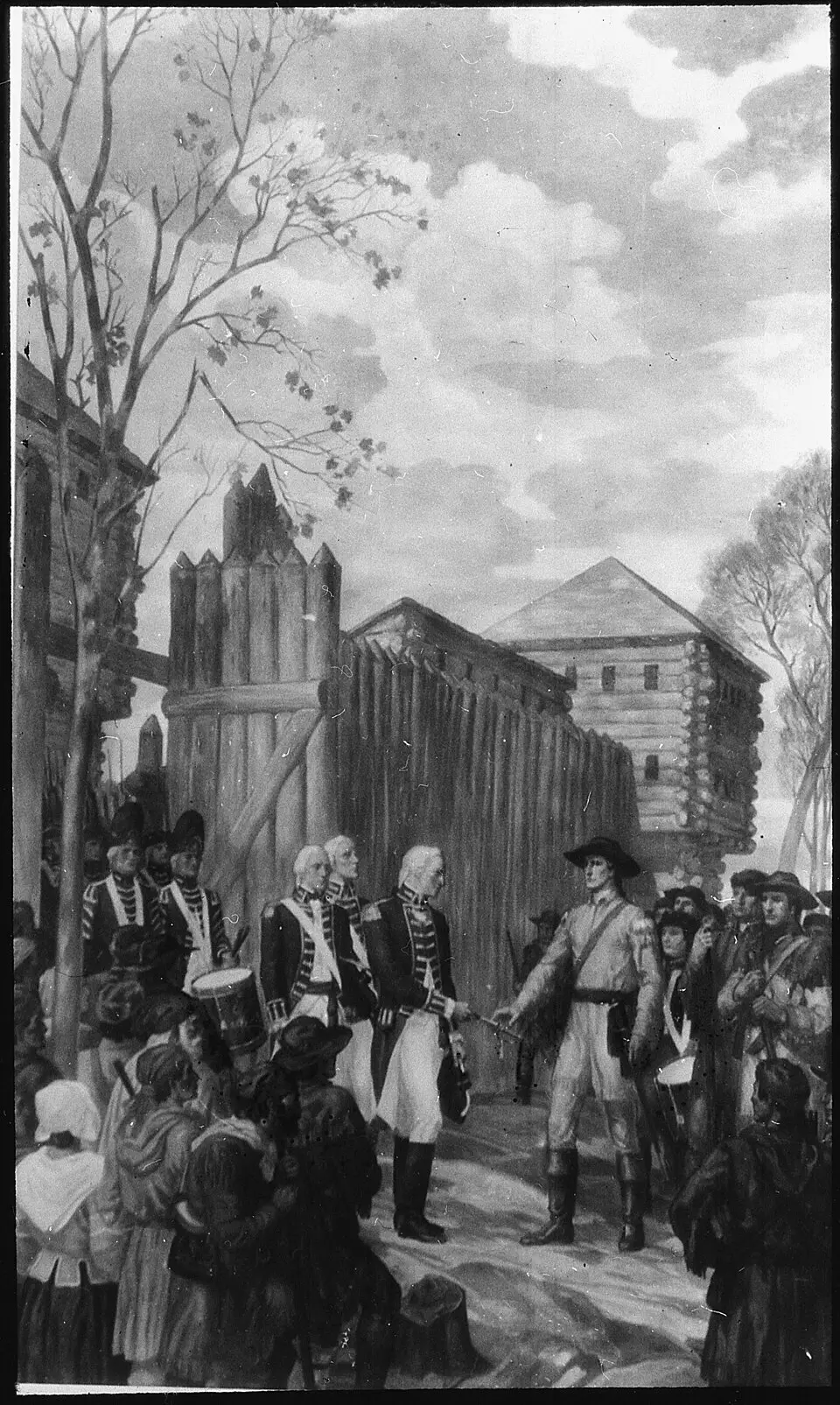
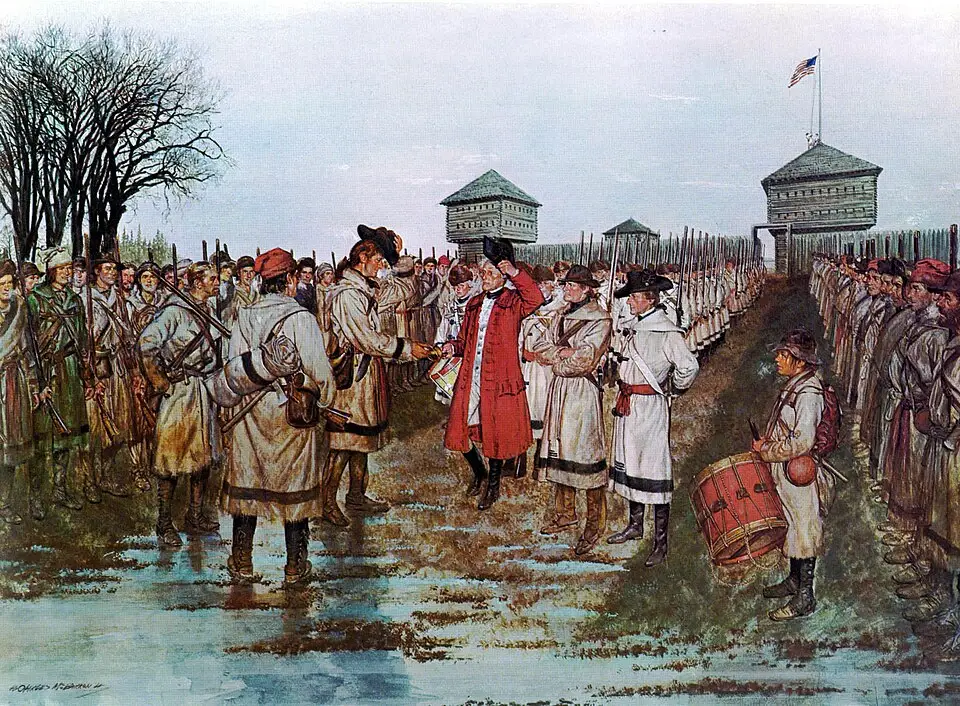
On February 23, 1779, Clark's men reached the outskirts of where the British were. From there, they sprang their surprise. Clark's best shooters opened fire on the British with great force, leaving them unable to even use their cannon. Inside, the British leader Henry Hamilton saw that his situation was hopeless. He was cut off from help, low on food, and outgunned. On the morning of February 25, Hamilton surrendered his seventy-nine soldiers and was sent to Virginia as a prisoner of war.
The British never regained control of the western posts, and some Native American leaders even offered to join the American side. When American diplomats met British negotiators to end the war in 1783, the United States claimed all the land south of the Great Lakes and east of the Mississippi River. Clark's campaign helped support that claim. This vast area, called the Northwest Territory, would later become the states of Ohio, Indiana, Illinois, Michigan, Wisconsin, and part of Minnesota. Kentucky settlers had nearly lost their future on the western frontier, but now it was won back for good.