 Pallas
The Ku Klux Klan in Indiana 7th grade · age 12
 By Simit Patel · published September 10, 2026
Read the story told here and take notes on the Narrative Notes Template provided by your teacher.
Chapter One: White Hoosiers Join a Movement for "100% Americanism"
In 1921, thousands of Black Americans were leaving the South and moving to northern states, including Indiana, as part of the Great Migration. Immigrants from southern and eastern Europe were arriving in American cities, too. Many native-born White Hoosiers (people of Indiana) viewed these newcomers with suspicion and anger. Some people blamed immigrants for rising crime and disorder in fast-growing cities. They packed churches and civic halls, calling for action to defend what they saw as traditional American values.
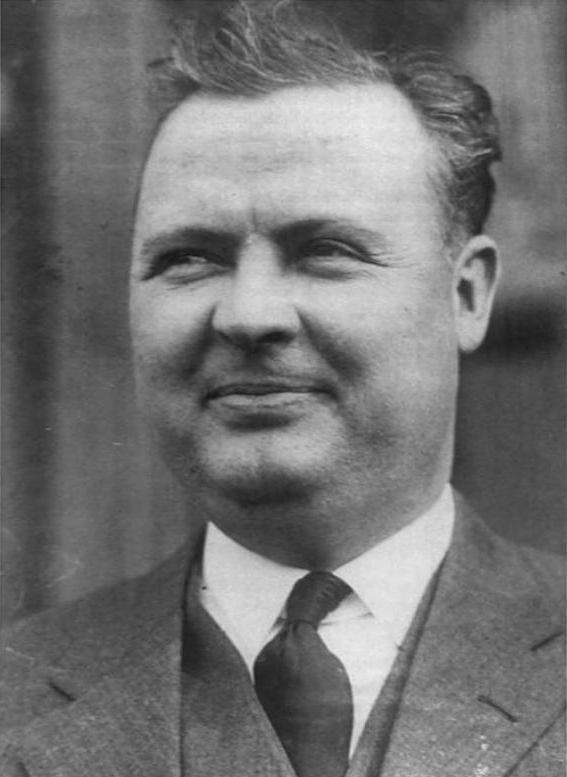
In the summer of 1922, a man named D.C. Stephenson launched a campaign to recruit these anxious White Indiana citizens into the Ku Klux Klan (KKK) across Indiana. Stephenson was a powerful speaker who wanted personal power and political control over the state. He sent trained salesmen across Indiana, appealing to fears about crime and corruption. Klan recruiters said their cause was about patriotism. They told Hoosiers that joining the Klan meant standing up for pure Americanism. The Klan's newspaper, The Fiery Cross, tried to make people afraid of Catholics, immigrants, and African Americans.
Indiana KKK members came from the broad middle of Hoosier society. Ministers, mayors, shopkeepers, and factory workers all joined. Women signed up too. Between July 1922 and July 1923, more than 2,000 Indiana men joined the Klan every week. By mid-1923, the Indiana KKK had grown to about 118,000 members, making it the largest state Klan in the country. Eventually, at least a quarter of all White men in Indiana would belong.
Chapter Two: The Klan Captures Indiana's Republican Party
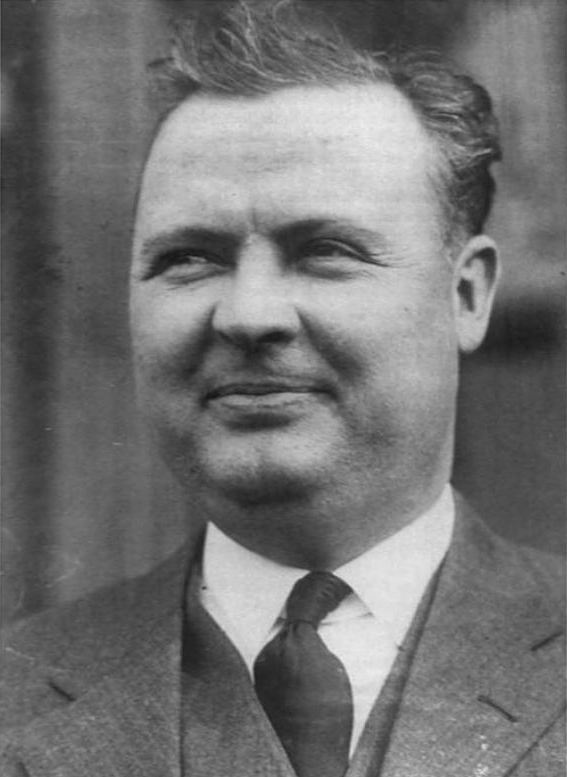
By 1924, the Indiana Klan had grown from a social club into a powerful political organization. D.C. Stephenson, the Klan's top leader in Indiana, told the organization's huge membership exactly which candidates to vote for. The Klan's candidate for governor, Ed Jackson, won. Klan-backed candidates also won the Indianapolis mayor's office and the city council. That gave the Klan influence over everything from policing to what children learned in school. Every one of Indiana's representatives and senators in Congress voted for the Immigration Act of 1924, a law that sharply limited who could enter the country. The Klan had not just won state elections. It had also shaped national policy.
Black Hoosiers fought back against the Klan's rising power, even though the Klan's membership far outnumbered them. In Indianapolis, Black Hoosiers formed the Independent Voters League, registered Black voters, and held large rallies. Thousands of people marched carrying signs calling for the Klan's defeat. They organized in neighborhoods and churches and got more people to the polls. Yet most White leaders either stayed silent or quietly joined the other side. Only four Indiana newspapers openly criticized the Klan. Against a movement this popular, Black Hoosiers could slow the Klan, but they couldn't stop it.
Chapter Three: Stephenson's Crimes Shatter the Klan's Respectability
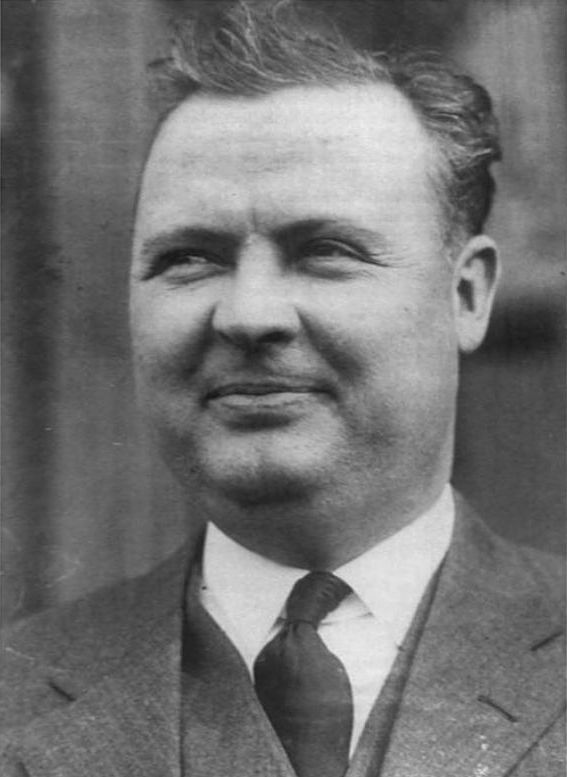
By the the spring of 1925, D.C. Stephenson had built the Indiana Klan into a powerful organization with allies in the governor's office and across state government. At this time, though, he committed a terrible crime. Stephenson assaulted a young woman during a train ride. The woman died soon after, but before she did, she told officials exactly what Stephenson had done to her. Then, in the fall of 1925, a court in Noblesville convicted Stephenson of second-degree murder and sentenced him to life in prison.
Sitting in prison, Stephenson hoped for a pardon (forgiveness for his crime so that he would be let out of prison) from his allies in the Indiana government. When no pardon came, Stephenson began releasing his private records. These documents showed how he had picked who got government jobs and pushed courts to do what he wanted across Indiana. As a result, in early 1928, Indiana's attorney general (the state's top lawyer) filed a lawsuit to take away the Klan's legal permission to operate in the state.
By the end of 1928, former Klan members hid their white robes in attics and destroyed membership lists. Politicians and ministers who had once marched in Klan parades now denied they had ever belonged. The Klan's grand plans — a Klan hospital, a Klan university — had all come to nothing. By 1930 the organized Klan appeared dead in Indiana. But the beliefs that had built it did not entirely disappear.