 Pallas
Ida Tarbell Takes On Standard Oil 6th grade · age 11
 By Simit Patel · published November 18, 2026
Read the story told here and take notes on the Narrative Notes Template provided by your teacher.
Chapter One: Rockefeller Builds a Monopoly in Oil
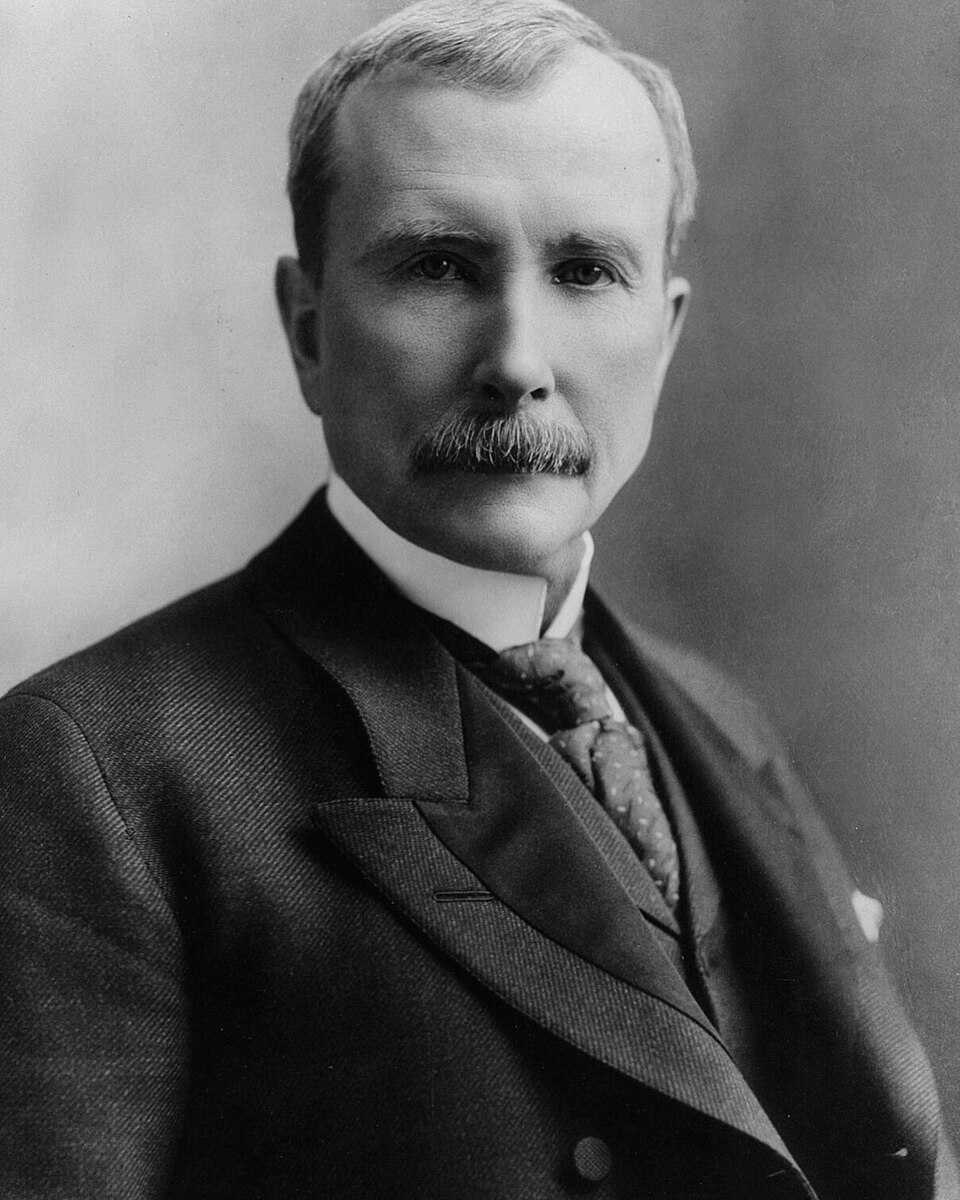
In the 1860s, western Pennsylvania was booming. Oil had been discovered near Titusville, a small town in the northwest corner of the state. Families and small business owners rushed to the region. Independent producers drilled wells in the oil fields. Many of them sent their oil by rail to refineries in cities like Cleveland, Ohio, which was close by and had good railroad service. Others built small refineries of their own and shipped their product to markets across the country.
For a time, the opportunity to profit from the discovery of oil in this area was open to almost anyone willing to work hard. One of the families that seized this opportunity was the Tarbells. Ida Tarbell was born in 1857 and grew up in Titusville, where her father, Franklin Tarbell, worked as an oil producer and refiner. As a girl, Ida simply watched her father and her neighbors prosper. But one day she would become a writer and take on the biggest oil company in the country.
One of the individuals who prospered the most from the discovery of oil in this area was a young businessman named John D. Rockefeller. He arrived in Cleveland, Ohio, a major refining center, and set about building a company — Standard Oil — that would come to dwarf every rival. By the early 1870s, Rockefeller was one of Cleveland's most powerful refiners. At this time, the oil industry still seemed like a place where hard work and fair dealing could lead to success.
Chapter Two: Tarbell Exposes Standard Oil's Ruthless Practices
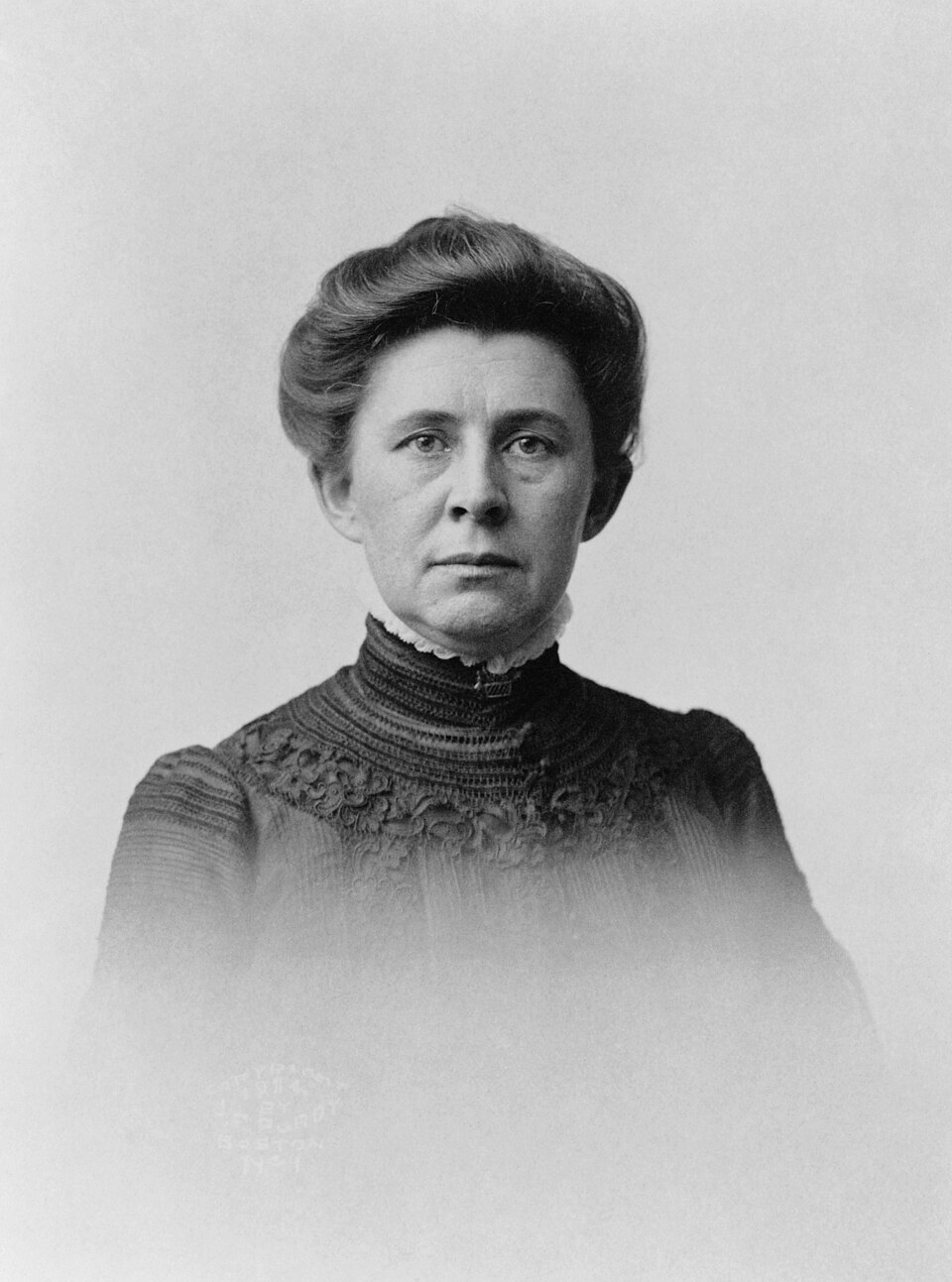
Then, in the fall of 1871, Rockefeller made a secret deal with the three major railroads running through Cleveland. The railroads would raise their shipping fees for everyone else while giving Standard Oil special discounts called rebates (secret refunds on shipping costs). Every other oil producer and refiner would have to pay far more to move their product. Rockefeller used this advantage to buy out twenty-two of his twenty-six competitors in Cleveland in just six weeks. By 1880, Standard Oil controlled roughly ninety percent of all oil refining in the United States.
Independent oil producers in Pennsylvania fought back. Families in Titusville and across the oil region held meetings, gave speeches, and pleaded with officials to stop these unfair practices. But the damage was devastating. Producers who kept working independently struggled to earn a decent living, and some were broken by the pressure. Among them was Ida Tarbell's father, whose suffering she watched closely as a girl — and never forgot.
Standard Oil, meanwhile, got around every attempt to rein it in. In 1890, Congress passed the Sherman Antitrust Act, a law that made it illegal for any company to monopolize (take complete control of) an industry. Some states filed lawsuits and won. But Standard Oil got around the rulings by closing down in one state and setting up again in another. By 1900, Standard Oil still dominated American business, and neither state lawsuits nor the new federal law had stopped it.
Chapter Three: The Supreme Court Breaks Up Standard Oil
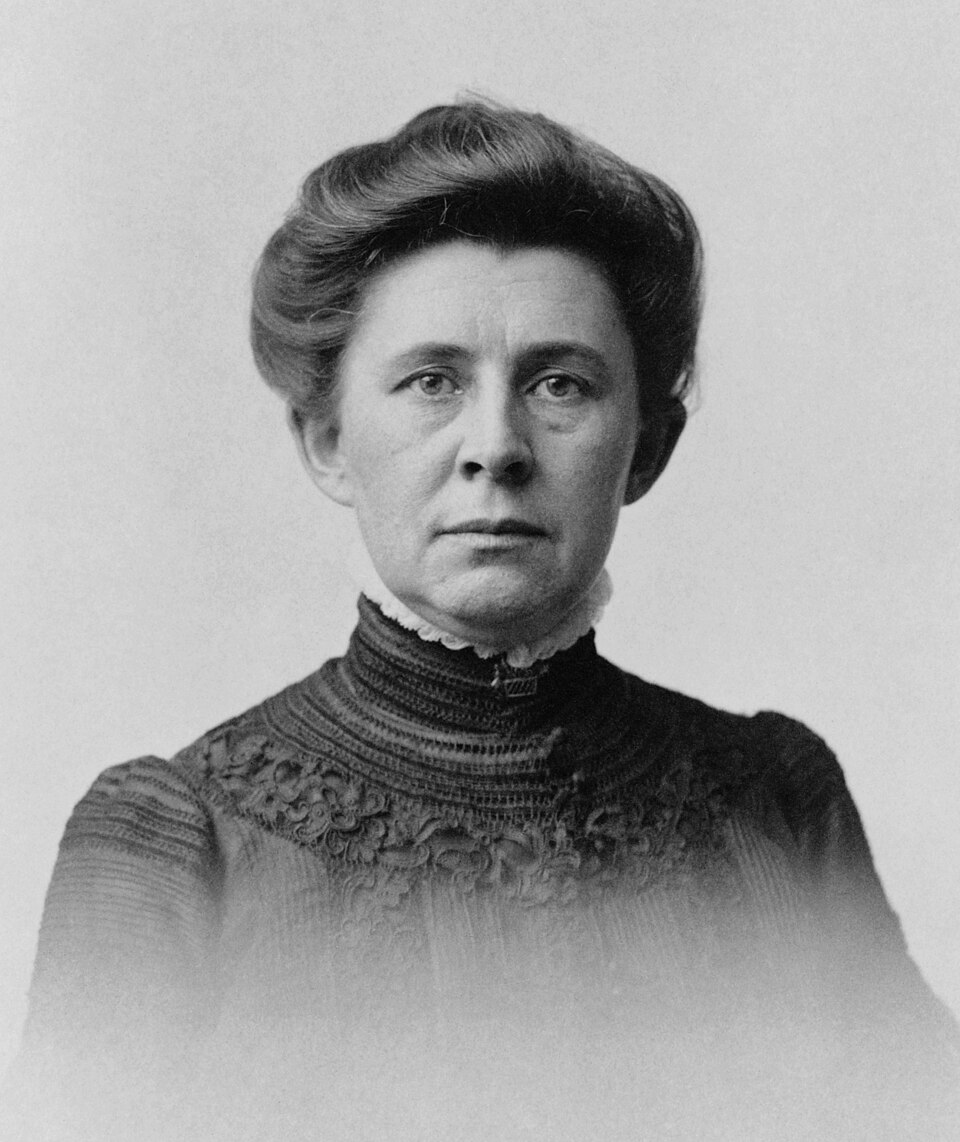
Ida Tarbell had grown up watching that same company hurt her family and her community, and she believed it had never played fair. Now she fought back — not with protests, but with facts. Working as a writer for McClure's Magazine, Tarbell began publishing a massive investigation into how John D. Rockefeller had built his monopoly. Her articles appeared month after month — nineteen parts in all, running from November 1902 until October 1904. She dug through government records and court documents. She interviewed people who had worked for Standard Oil and businessmen Rockefeller had ruined. She showed her readers how the company had used secret railroad deals, spying on rivals, and ruthless price-cutting to destroy competitors. In 1904, her articles were collected into a book, and it became a sensation. Tarbell was not working alone — other muckraking journalists (reporters who investigated corruption and abuses of power) were also exposing wrongdoing across the country. Together, they got Americans angry enough to demand new laws.
That pressure pushed the federal government to act. In November 1906, the government sued Standard Oil for breaking the Sherman Antitrust Act. Government lawyers opened the trial in 1908 in a Missouri federal court. They presented years of evidence showing that Standard Oil had cut secret deals with railroads, blocked other companies from competing, and raised its prices by forty-six percent between 1895 and 1906. The judge found Standard Oil guilty.
Then, on May 15, 1911, the U.S. Supreme Court made its decision, and every judge agreed: Standard Oil was an illegal monopoly and had to be broken up into thirty-four separate companies. It was the biggest use of antitrust law (laws that stop companies from unfairly controlling a market) in American history. The ruling proved that independent oil producers — people like Ida Tarbell's father — had been right to fight for their way of making a living. Still, the victory had limits. The same people who had owned Standard Oil received ownership in all thirty-four new companies. Many of those companies — later known by names like Exxon, Mobil, and Chevron — eventually grew into oil giants themselves. The monopoly was broken, but the power of big oil did not disappear.
Where this history comes from
This reading was written from pages of Spartacus Educational, the history encyclopaedia John Simkin has written and published since 1997.
This reading was written from pages of texashistory.unt.edu.
- Texas Almanac and State Industrial Guide 1912
- The Southwestern Historical Quarterly, Volume 43, July 1939 - April, 1940
- The Southwestern Historical Quarterly, Volume 67, July 1963 - April, 1964
- The Southwestern Historical Quarterly, Volume 107, July 2003 - April, 2004
- The Southwestern Historical Quarterly, Volume 60, July 1956 - April, 1957
This reading was written from pages of scholarworks.iu.edu.
- Dawn E. Bakken — Upending Expectations about the Midwest: Belt Publishing's Revivals Series
- Carl Painter — The Progressive Party In Indiana
- Arthur M. Johnson — The Development of American Petroleum Pipelines: A Study in Private Enterprise and Public Policy, 1862-1906
- John A. Coffin — The Senatorial Career of Albert J. Beveridge
- David John Hogan — Class and Reform: School and Society in Chicago, 1880-1930
- Jack S. Blocker Jr. — Building Networks: Cooperation and Communication Among African Americans in the Urban Midwest, 1860-1910
- Greg Guffey — More Than A Game: A History of Boys Basketball in Henry County
This reading was written from pages of epubs.nsla.nv.gov.
This reading was written from pages of loc.gov.
This reading was written from pages of thepyramidofpower.net.