 Pallas
Reading 1 of 14 · Indiana Grade 4 Social Studies
The Mound Builders of Angel Mounds
Read the story told here and take notes on the Narrative Notes Template provided by your teacher.
Chapter One: Glaciers Carve Indiana's Rivers and Fertile Lands
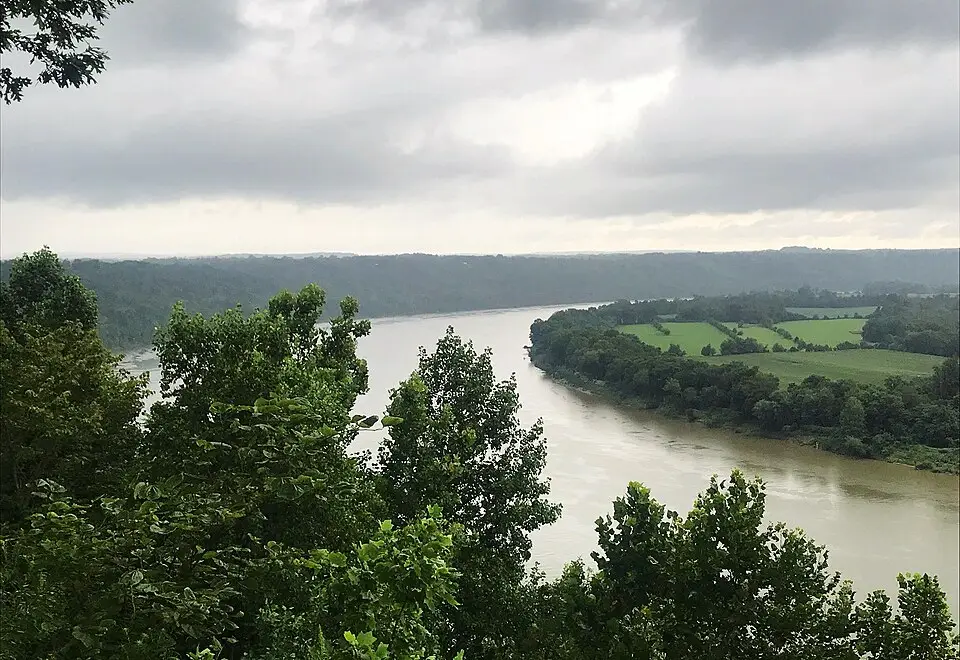
Around AD 1050, Mississippian peoples traveled along the great Ohio River. They arrived at a stretch of wide, flat bottomlands near what is now Evansville, Indiana. Long before any people came, giant sheets of ice called glaciers had crept across this land. When the climate warmed, the glaciers melted and pulled back. They left behind deep layers of dark, rich soil — the kind of soil that is full of the things plants need to grow. The melting ice flowed into rivers and streams, filling the Ohio River valley with water. Year after year, the rivers carried that rich glacial soil across the bottomlands. This built up some of the best farmland anywhere on earth.
The Mississippian peoples discovered what the glaciers had left behind. They found soil so deep and dark it could grow crops for generations. They also found rivers that opened natural highways for fishing and travel. These families chose to settle right there, on the wide bottomlands, ready to build on the riches the land offered them.
Chapter Two: Mississippian Families Build a Town at Angel Mounds
The Mississippian peoples cleared fields and planted corn, which gave them plenty of food. They shaped local clay into special pottery. Over time, their settlement grew into a busy town. The people built large mounds out of earth — at least twelve in all. Some mounds held important buildings. Others were burial sites where the community honored their dead. Over about three hundred years, traders carried goods along the Ohio and Mississippi rivers, connecting Angel Mounds to faraway peoples.
Chapter Three: Angel Mounds Flourishes Then Falls Silent
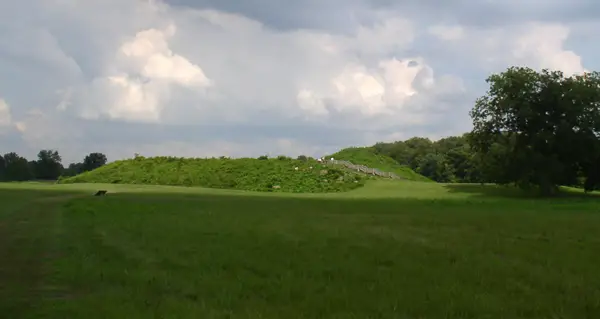
But by around AD 1350, the Mississippian families at Angel Mounds began to walk away from the life they had built. No one knows exactly what drove them to leave. Perhaps the soil wore out after centuries of farming. Perhaps the climate shifted and made growing corn harder. Or perhaps conflicts with other peoples pushed families to move on. Whatever the reasons, families abandoned their fields, stopped maintaining the mounds, and left the town behind. By around AD 1450, the last of them were gone. The fields where corn once grew went wild with weeds and forest.
Centuries passed, and no one returned to rebuild what had fallen. The town was gone. The mounds rose above the riverbank, overgrown and quiet, with no one left who remembered what they were for.