 Pallas
Reading 14 of 14 · Indiana Grade 4 Social Studies
The Great Migration to the Calumet Region
Read the story told here and take notes on the Narrative Notes Template provided by your teacher.
Chapter One: U.S. Steel Builds a City on the Dunes
In the early 1900s, Black families across the American South lived under unfair laws called Jim Crow. These laws forced Black people and white people to stay separate in schools, parks, and other public places. Black children went to run-down schools, while White children went to better ones. Jim Crow laws also stopped most Black people from voting. Still, Black families held on to hope for safer, better lives. They began searching for a way out of the American South and away from Jim Crow laws.
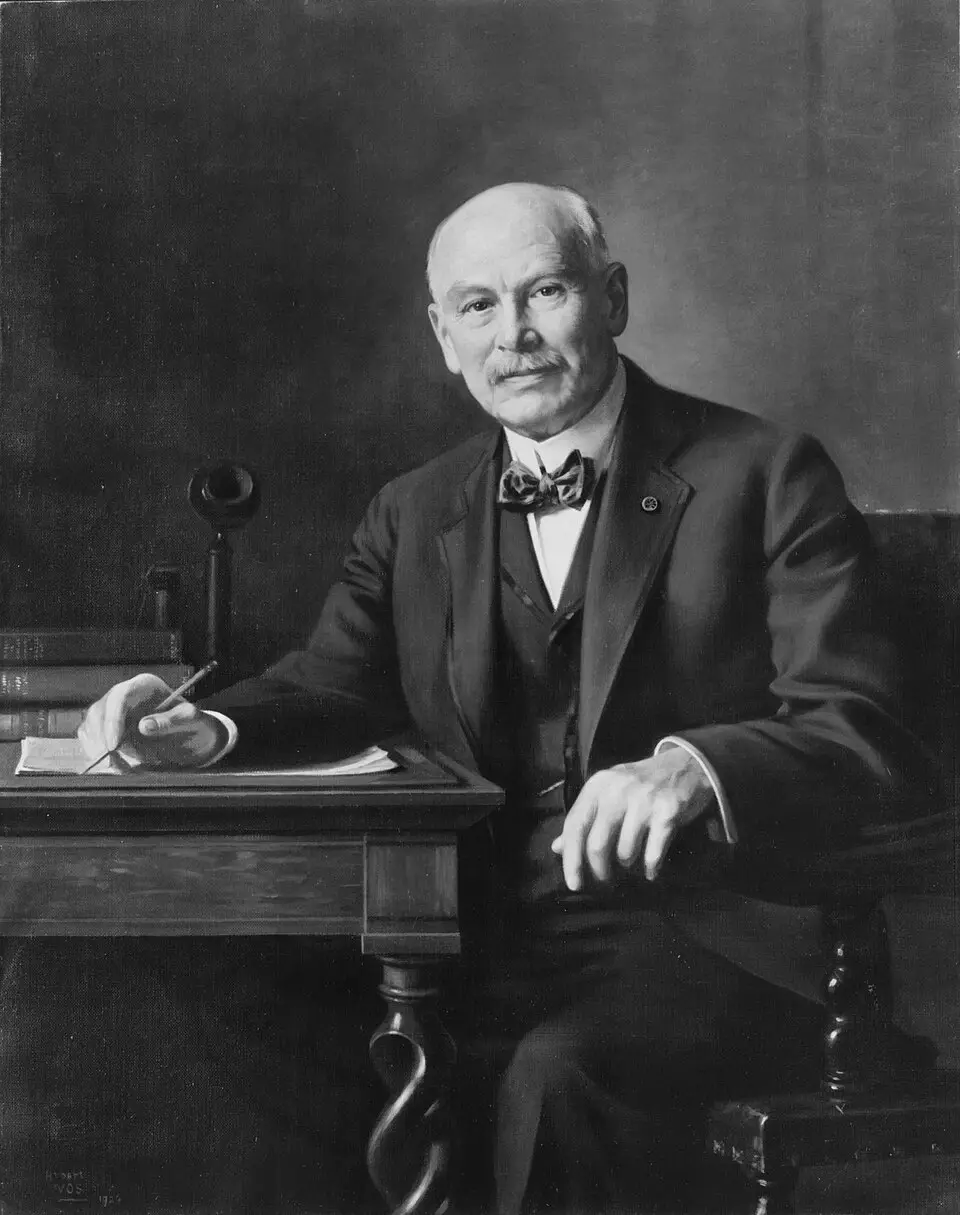
Far to the north, a company known as U.S. Steel was building something that would change those families' lives. In 1906, U.S. Steel arrived on the sandy shore of Lake Michigan with a plan to construct the world's largest steel mill. U.S. Steel cleared away sand dunes and swamps and built a brand-new city. They named it Gary after the chairman of the company, Elbert Gary. Workers from Europe flooded in to fill jobs at the mill, and the city grew fast. When word about these jobs spread south, Black families suffering under Jim Crow began making plans to leave the South for good.
Chapter Two: Black Southerners Migrate North to Gary's Mills
When World War I began in 1914, workers from Europe stopped coming to America. Steel companies like U.S. Steel needed thousands of workers to keep their mills running. Suddenly they did not have enough. To fill the gap, they began recruiting African American workers from the South. For Black families who had endured Jim Crow for so long, the chance to move north felt like a rescue. They packed up and traveled hundreds of miles to Gary, hoping for steady work and safety. And at first, Gary delivered. Black workers earned wages far higher than anything sharecropping had paid. A growing Black population filled new neighborhoods. Families who had lived in fear finally had paychecks, homes, and a foothold in a booming city.
But the good times did not last. Companies gave Black workers the hardest, most dangerous jobs and paid them less than other workers. Many White workers coming home from the war grew angry that Black southerners had filled their jobs. That anger helped the Ku Klux Klan, a racist group that used fear and violence to terrorize Black people, to grow. Black families who had traveled so far hoping for a better life discovered that the North could be dangerous, too.
Chapter Three: Newcomers Build Churches and Communities in Gary
Even as the Ku Klux Klan threatened Black communities across Indiana, African American newcomers in Gary refused to be silenced. In 1927, a group of Black leaders started the Gary American, a weekly newspaper. It told stories about Black people's lives and struggles that other newspapers left out.
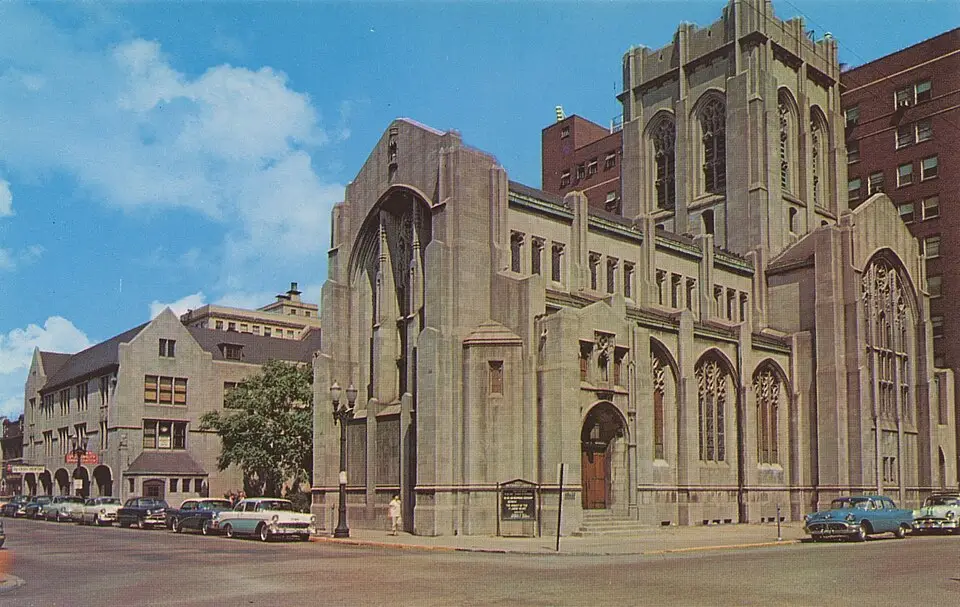
African American newcomers also built their own places of worship and belonging. Whole families worked together and opened their homes to newcomers who needed a fresh start. They started churches, schools, and gathering places where they could worship, celebrate, and look out for one another.
By the 1930s, these efforts had added up. The neighborhoods, churches, newspapers, and traditions that African American newcomers built made the Calumet Region a place they could call their own. Just a generation earlier, these same families had lived under Jim Crow. Now, even though the Klan had tried to drive them into fear once more, they had answered by putting down deep roots. The people who came north to work near the steel mills found more than jobs. They also found a community where their children could grow up stronger and freer than before.