 Pallas
The Lenape and Early Manhattan 4th grade · age 9
 By Simit Patel · published October 23, 2026
Read the story told here and take notes on the Narrative Notes Template provided by your teacher.
Chapter One: The Lenape Thrive on Manahatta
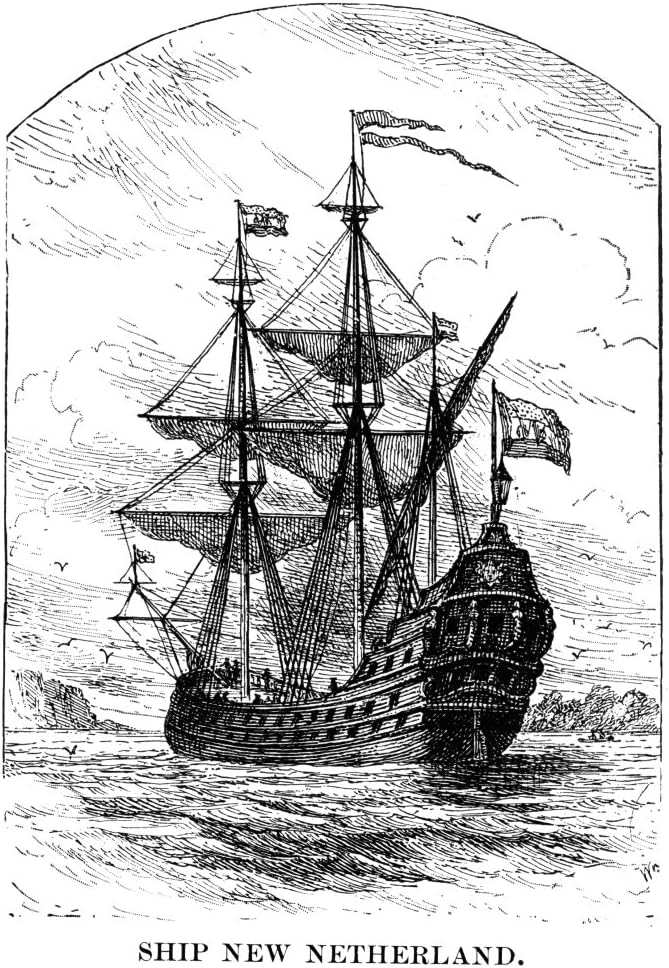
In 1609, a group of Dutch merchants paid for a ship to sail along the Atlantic coast. The Dutch lived in Europe, and they wanted to buy spices from Asia. The trip to Asia was very long, so the merchants hoped the ship would find a shorter way. Alas, the crew never found one. But they found something else.
The land along the Atlantic coast that we now know as a part of the United States was rich with beaver, and the people who lived there were eager to trade. These people were the Lenape. For more than ten thousand years, the Lenape had lived on the land they called Lenapehoking — a large region including what is now New Jersey, with the island of Manahatta at its heart. They had thrived by farming corn, beans, and squash, hunting deer, and catching huge amounts of fish. But after that first Dutch ship, more Dutch ships kept coming.
As the Dutch met the Lenape, they learned that the Lenape already had their own ways of living together. The Lenape governed themselves peacefully. Each community chose its own leader, called a sachem, who could not make big decisions without the community's approval. The Lenape valued peace and trade over war. They exchanged wampum — valuable beads made from shells — across long distances, connecting communities far and wide. So when the Dutch merchants sought to trade for beaver furs, the Lenape welcomed them as trading partners.
But the Dutch did not come just to trade. In 1621, the leaders of the Dutch government started a business called the Dutch West India Company. (A company is a group of people who work together to make money.) This company wanted to make money from the fur trade. In the fur trade, people swapped goods for animal furs. The furs were sold in Europe, where beaver fur was made into hats.
The Dutch West India Company claimed a huge stretch of land it called New Netherland. This stretch of land covered land that is now New York, New Jersey, and parts of nearby states, including the island where New York City stands today. The company wanted not just trading posts where people could agree to meet to buy and sell goods, but also permanent farms — and that meant taking over Lenape land. After thousands of years on this land, the Lenape now had to face the Dutch West India Company's leaders, who wanted that land for themselves.
Chapter Two: The Dutch Exploit Lenape Diplomacy for Land
In 1626, the Dutch West India Company sent a governor to Manhattan. He offered the Lenape a small amount of trade goods — things like beads, knives, and cloth — for the whole island. But the Lenape did not think about land the way the Dutch did. They moved across the land to hunt, fish, and grow food in different seasons. No one person or group could own it. They probably thought they were agreeing to share the land, not give it away forever. The Dutch, however, treated it as something they had bought for good. They began building Fort Amsterdam on Manhattan.
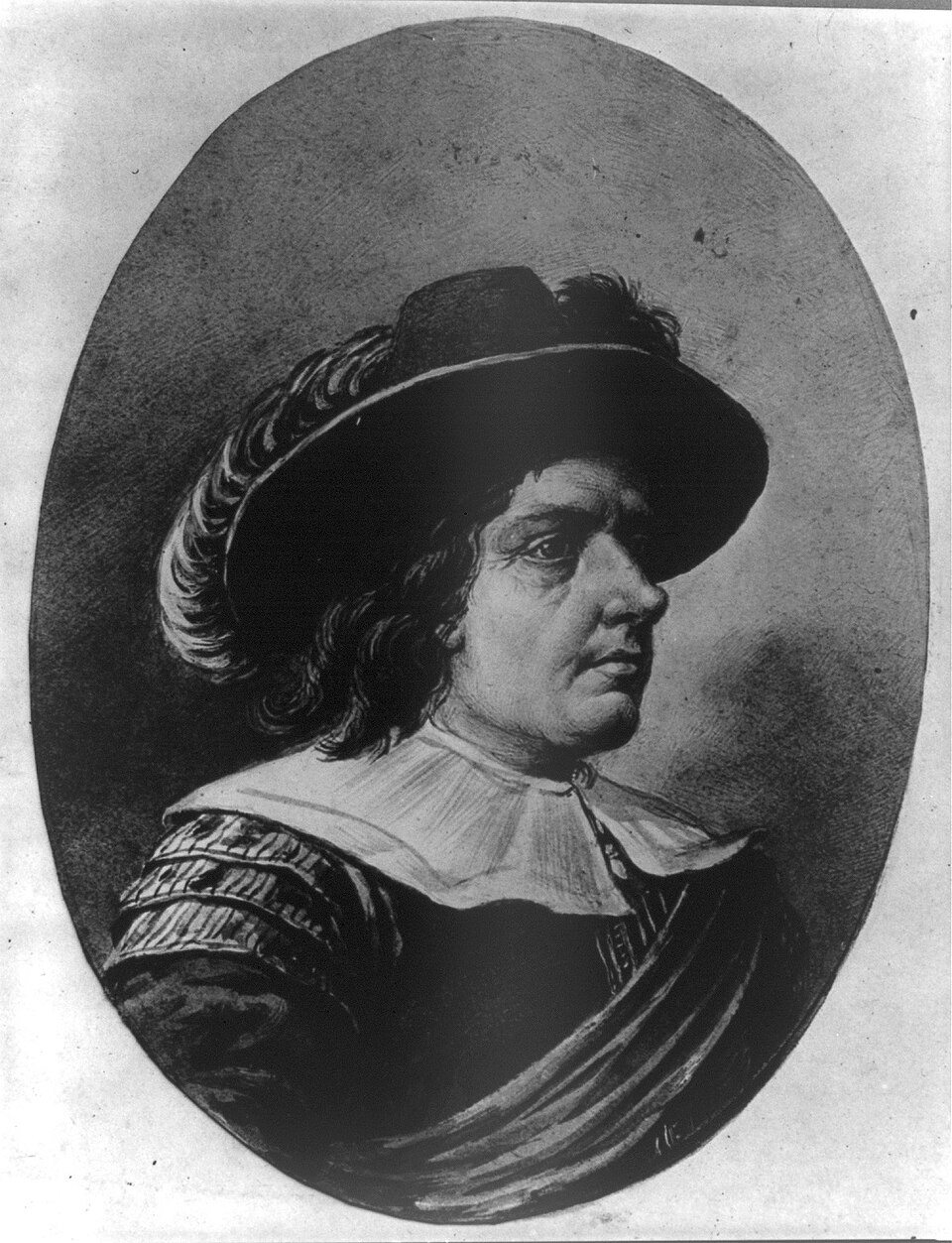
As more Dutch settlers spread across the land, fights with the Lenape grew dangerous. Willem Kieft, who led New Netherland for the Dutch, tried to force the Lenape to pay taxes and leave their homeland. From 1643 to 1645, Kieft launched terrible attacks known as Kieft's War. Dutch soldiers massacred thousands of Lenape men, women, and children.
The Lenape had little time to recover. In 1655, Native warriors launched attacks on Dutch settlements in what became known as the Peach War. The Dutch struck back hard. By the end of this fighting, the Lenape had lost most of their villages near Manhattan. At the same time, diseases that Europeans brought with them, like smallpox, swept through Lenape communities. The Lenape had never been sick with these diseases before. Many, many more Lenape died from sickness, in addition to all those who had been killed in the wars.
Before Europeans came, at least twelve thousand Lenape had lived throughout the region. Now their numbers were dropping fast. Strangers had come to their shores, and now the Lenape families who were left had to find a way to keep going.
Chapter Three: Disease and War Drive the Lenape from Home
The Lenape who survived these wars and epidemics struggled to hold their ground. They moved their remaining villages to safer areas in New Jersey. They tried to keep farming, fishing, and trading as they always had. They sent diplomats to negotiate with the Dutch, hoping to protect what was left of their homeland. But there was less and less land to live on, and fewer and fewer people to work it. Plus, the fur trade had made many Lenape families depend on European goods, so they could not simply go back to the way things had been before.
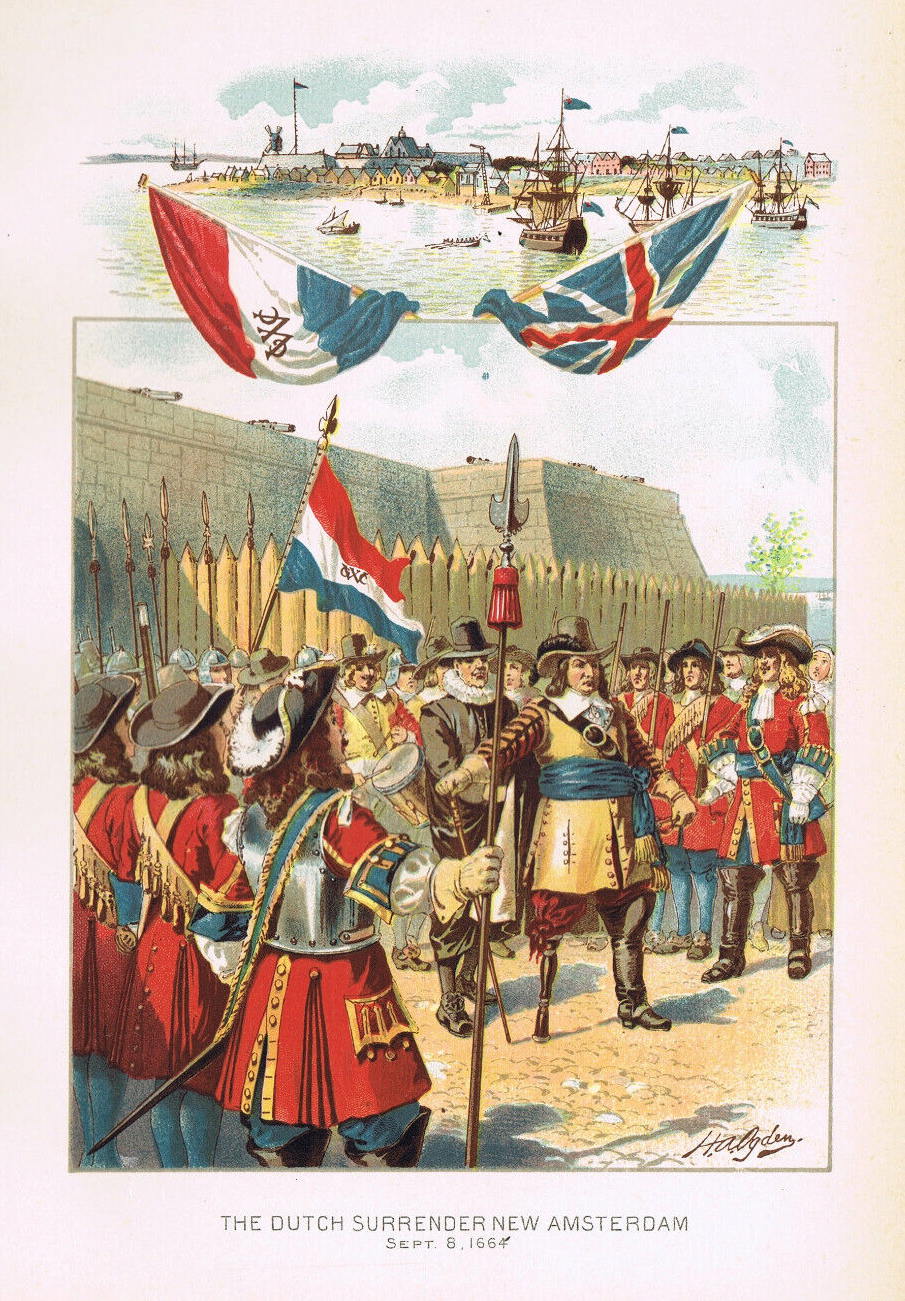
Then, in August of 1664, English warships sailed into the harbor at New Amsterdam. The English promised that Dutch settlers who gave up would stay safe and keep their homes. So the Dutch gave up without a fight, and the English renamed the colony New York. The English brought far greater numbers of settlers.
These settlers moved onto Lenape land by simply moving in and stealing it outright. English settlers pushed the Lenape westward — first to Pennsylvania, then to Ohio, and finally to Oklahoma. A people who had called Lenapehoking home for more than ten thousand years now lived scattered across the continent, far from the rivers, shores, and forests where their ancestors had lived.
Standards this lesson meets
- 4.2a Geographic factors often influenced locations of early settlements. People made use of the resources and the lands around them to meet their basic needs of food, clothing, and shelter.Chapter 1: Chapter One describes how the Lenape used the land and resources of Lenapehoking by farming corn, beans, and squash, hunting deer, and catching fish to meet their basic needs.
- 4.2b Native American groups developed specific patterns of organization and governance to manage their societies.Chapter 1: Chapter One explains how the Lenape governed themselves, with each community choosing a sachem who needed the community's approval for big decisions.
- 4.2c Each Native American group developed a unique way of life with a shared set of customs, beliefs, and values.Chapter 1: Chapter One describes the Lenape's shared way of life, including valuing peace and trade and exchanging wampum across communities.
- 4.3a Europeans in search of a route to Asia explored New York’s waterways. Early settlements began as trading posts or missions.Chapter 1: Chapter One tells how the Dutch explored the Atlantic coast and New York's waterways while seeking a shorter route to Asia and established trading posts for the fur trade.
- A.2 Recognize, use, and analyze different forms of evidence used to make meaning in social studies (including sources such as art and photographs, artifacts, oral histories, maps, and graphs).Chapters 1, 2 and 3: Each chapter pairs the narrative with historical images such as a Dutch ship, a portrait of Willem Kieft, and a painting of the Dutch surrender, offering art and photographs as evidence.
- B.1 Explain how events are related chronologically to one another.Chapters 1, 2 and 3: The reading presents a clear chronological sequence of dated events from 1609 to 1664 that students can relate to one another in order.
- B.3 Identify the relationship between multiple causes and multiple effects, using examples from his/her life or from a current event or history.Chapters 2 and 3: Chapters Two and Three show multiple causes (land seizures, wars, European diseases, dependence on trade goods) producing multiple effects on the Lenape, including population loss and removal from their homeland.
- B.5 Recognize dynamics of historical continuity and change over periods of time.Chapters 1, 2 and 3: Across the three chapters students can trace continuity and change in the Lenape over time, from thriving on Manahatta to being scattered across the continent.
- C.2 Identify multiple perspectives on an historical event.Chapter 2: Chapter Two contrasts the Lenape and Dutch perspectives on land, showing the Lenape thought they were sharing it while the Dutch treated it as purchased forever.
- C.4 Recognize the relationship between geography, economics, and history in social studies.Chapters 1, 2 and 3: The reading connects geography, economics, and history by showing how the fur trade and Lenape land shaped the conflict between the Dutch and the Lenape.
- C.5 Describe historical developments in New York State with specific detail, including time and place.Chapters 1, 2 and 3: The reading describes New York historical developments with specific times and places, such as Kieft's War (1643-1645) and the English takeover of New Amsterdam in 1664.
- D.3 Identify how environments affect human activities and how human activities affect physical environments.Chapter 1: Chapter One shows how the environment affected Lenape activities, as they moved seasonally to hunt, fish, and farm according to the land's resources.
- D.5 Describe how human activities alter places and regions.Chapters 2 and 3: Chapters Two and Three describe how Dutch and English settlement altered the region by building forts, seizing land, and pushing the Lenape off their homeland.
- E.4 Explain why individuals and businesses specialize and trade.Chapter 1: Chapter One explains why the Dutch and Lenape traded, with the Dutch wanting beaver furs for European hat-making and the Lenape exchanging furs for European goods.
- F.7 Identify people in positions of power and how they can influence people’s rights and freedom.Chapter 2: Chapter Two identifies Willem Kieft as a leader whose power harmed the Lenape by forcing taxes and launching deadly attacks on them.