 Pallas
Hohokam Canal Builders of the Salt River Valley 3rd grade · age 8
 By Simit Patel · published October 1, 2026
Read the story told here and take notes on the Narrative Notes Template provided by your teacher.
Chapter One: Desert Farmers Irrigate the Salt River Basin
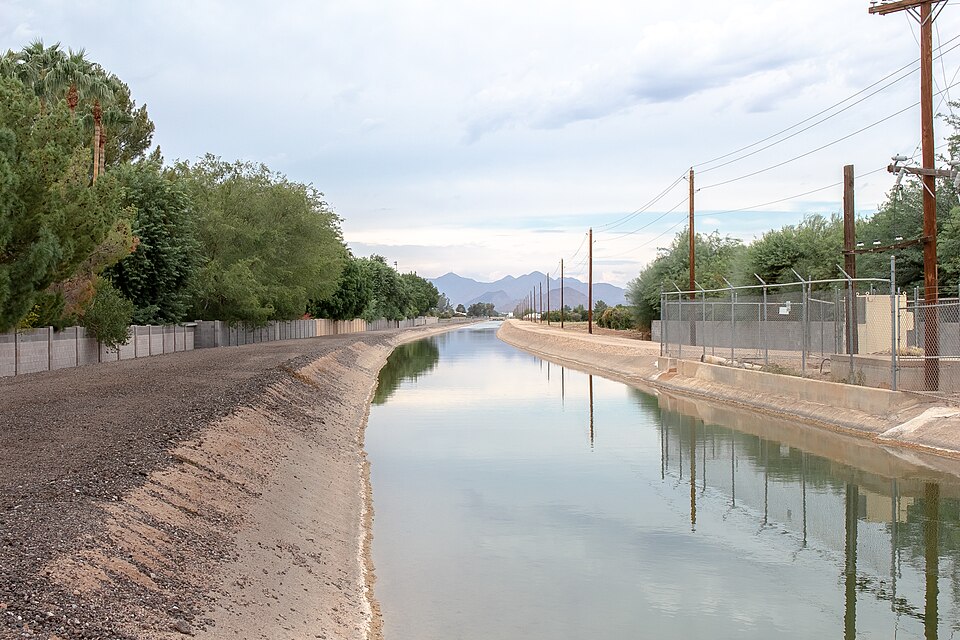
Long ago, in what is now southern Arizona, a group of people called the Hohokam made their home in the hot, dry Sonoran Desert. By AD 900, they had built a busy farming community there. They lived along two rivers — the Salt and the Gila. They grew corn, beans, cotton, and squash. Farming in a desert is not easy, but the Hohokam found a way. They dug canals, which are channels that carry water from a river to fields. Without these canals, the desert would have been too dry to grow much of anything.
The Hohokam did far more than farm. They made pottery painted with bold designs. They made jewelry from shell and bone. They even built ball courts like those used by the Maya people far to the south in Mexico. Their canals let them turn a dry desert into a place where a whole community could live and grow food.
Chapter Two: Hohokam Engineers Extend Canals Across the Desert
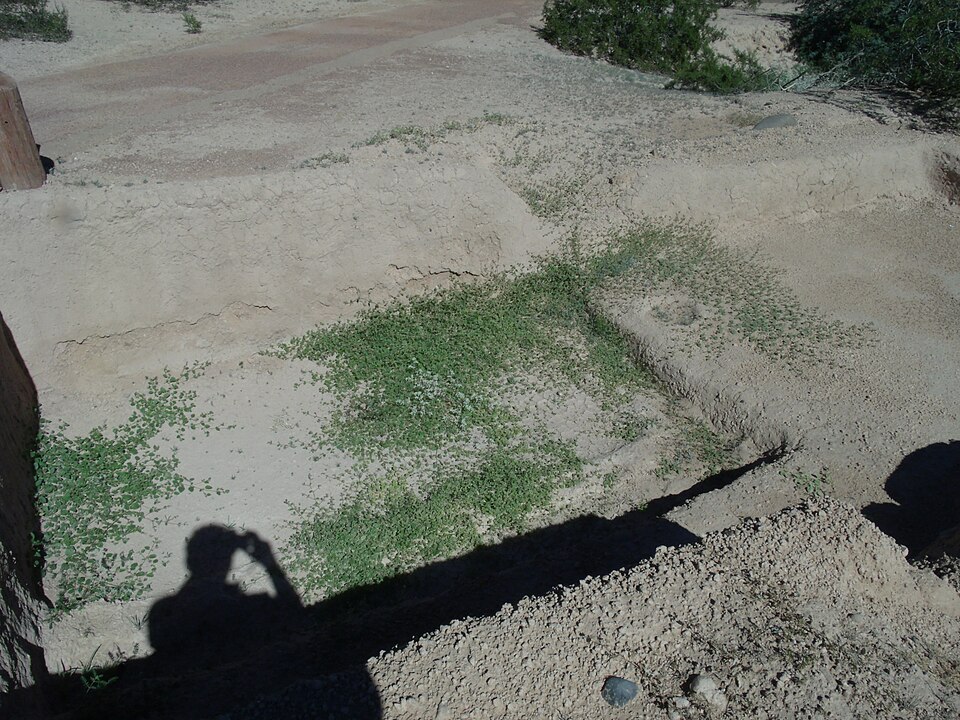
The Hohokam kept digging. They used simple tools made from stone and bone. They stretched their canals farther and farther across the Salt River Valley. In the end, the network ran for more than eight hundred miles. The biggest canals were as wide as a big house and as deep as a two-story building. Workers lined many of these channels with clay so the precious water would not leak into the sandy ground. It was the largest irrigation system in the ancient desert Southwest.
With so much water, the Hohokam grew far more food than they needed. That surplus turned their community into a crossroads of trade. Trade partners arrived from Mexico, Utah, the Pacific coast, and the Great Plains. They brought shells, colorful stones, obsidian tools, cotton textiles, and even chocolate. In return, they carried away Hohokam crops and crafts. What had started as a small farming group was now the center of a trading network that stretched across a huge part of the land.
Chapter Three: The Hohokam Disperse into Smaller Communities
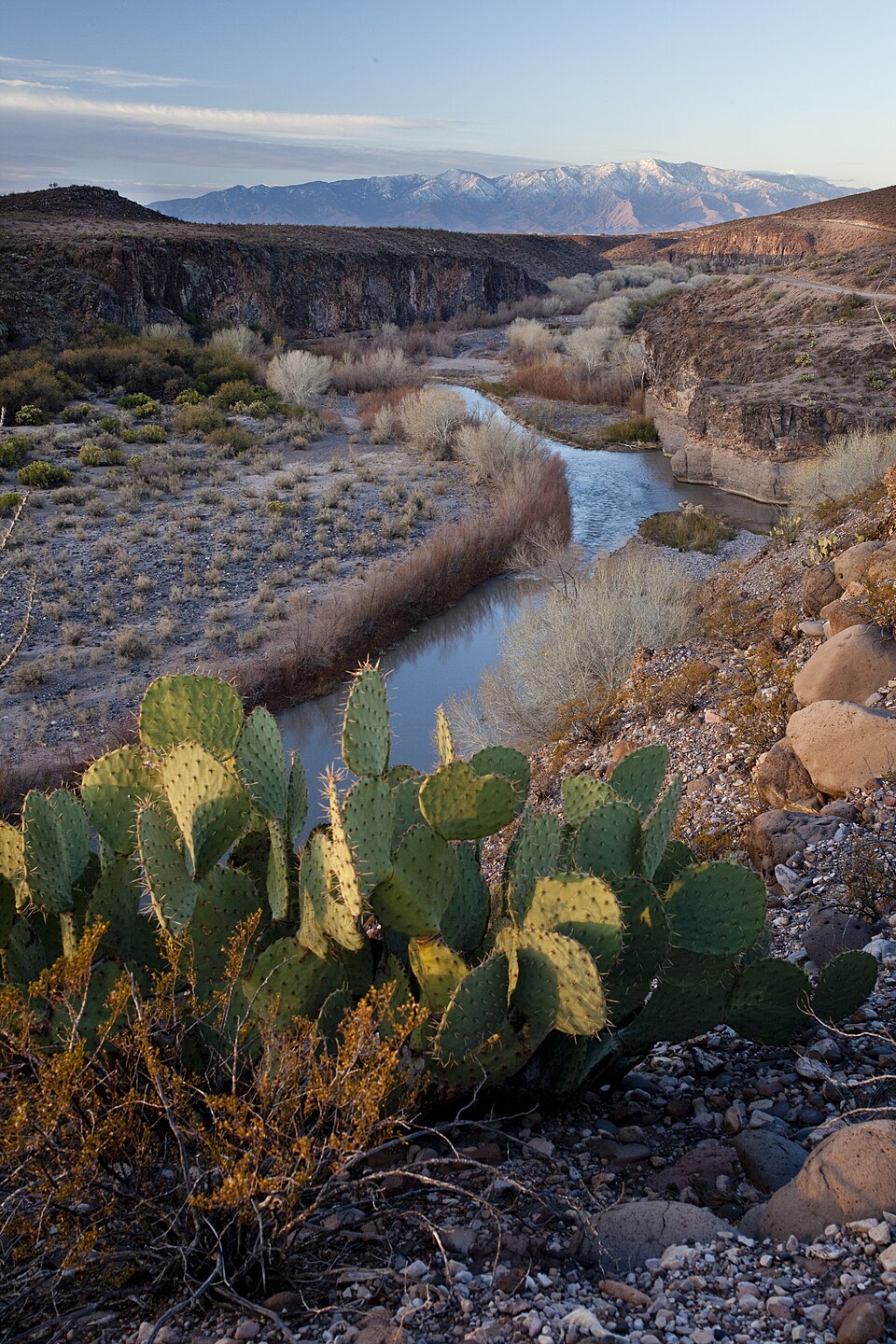
Then the rains slowed. Long droughts dried the rivers that fed the Hohokam canals. Without enough water, the canal system could no longer support so many people. By the 1300s, the Hohokam left behind their great canals, their ball courts, and their big buildings. The people who had once lived together in large settlements scattered into smaller communities across the desert.
The Hohokam were gone from their old settlements, but they were not forgotten. A new group of people, called the O'odham, lived in the same desert valleys. They were the children and grandchildren of the Hohokam, and they carried forward the farming and irrigation practices their ancestors had used. They watered crops along the Gila River just as their ancestors had done. The O'odham kept the Hohokam story alive. They called their ancestors the huhugam, meaning "those who have gone" — the name from which the English word "Hohokam" comes. Where eight hundred miles of canals had once carried water to fields, the desert had taken the land back, and only the O'odham remembered what had been built there.
Standards this lesson meets
- 3.SP1.2 Compare life in specific historical time periods to life today.Chapters 1 and 2: The reading describes how the Hohokam farmed, dug canals, made pottery, and traded, allowing comparison of their desert life to life today.
- 3.SP4.1 Explain probable causes and effects of events.Chapter 3: Chapter Three explains that long droughts dried the rivers, causing the canal system to fail and the people to scatter into smaller communities.
- 3.E2.1 Explain how availability of resources affects decision making in Arizona with respect to water and other natural resources.Chapters 1, 2 and 3: The reading shows how the availability of river water drove the Hohokam's decision to build canals and how losing it during droughts forced them to disperse.
- 3.E2.2 Describe how Arizona is connected to other states, Mexico, and other nations by movement of people, goods, and ideas.Chapter 2: Chapter Two describes how trade partners from Mexico, Utah, the Pacific coast, and the Great Plains exchanged goods with the Hohokam, connecting the region to distant places.
- 3.G2.1 Explain how people modify and adapt to the Arizona environment.Chapters 1 and 2: The reading explains how the Hohokam adapted to and modified the desert environment by digging canals lined with clay to carry river water to their fields.
- 3.G3.1 Describe the movement of people in and out of Arizona over time.Chapter 3: Chapter Three describes how the Hohokam scattered into smaller communities during the droughts and how the O'odham remained in the same valleys.
- 3.G4.1 Describe how Arizona has changed over time.Chapters 1, 2 and 3: The reading traces change over time from a small farming group to a vast trading center and finally to the land being abandoned to smaller communities.
- 3.H1.1 Utilize a variety of sources to construct a historical narrative exploring Arizona’s cultures, civilizations, and innovations.Chapters 1, 2 and 3: The whole reading constructs a historical narrative of the Hohokam's desert culture, canal-building innovations, and trade network.
- 3.H2.2 Examine how individuals and groups have worked together throughout Arizona’s history.Chapter 2: Chapter Two shows how the Hohokam worked together, with workers digging and lining the extensive canal network across the valley.