 Pallas
Florida Becomes a United States Territory 6th grade · age 11
 By Simit Patel · published October 9, 2026
Read the story told here and take notes on the Narrative Notes Template provided by your teacher.
Chapter One: Spain Struggles to Hold onto Florida
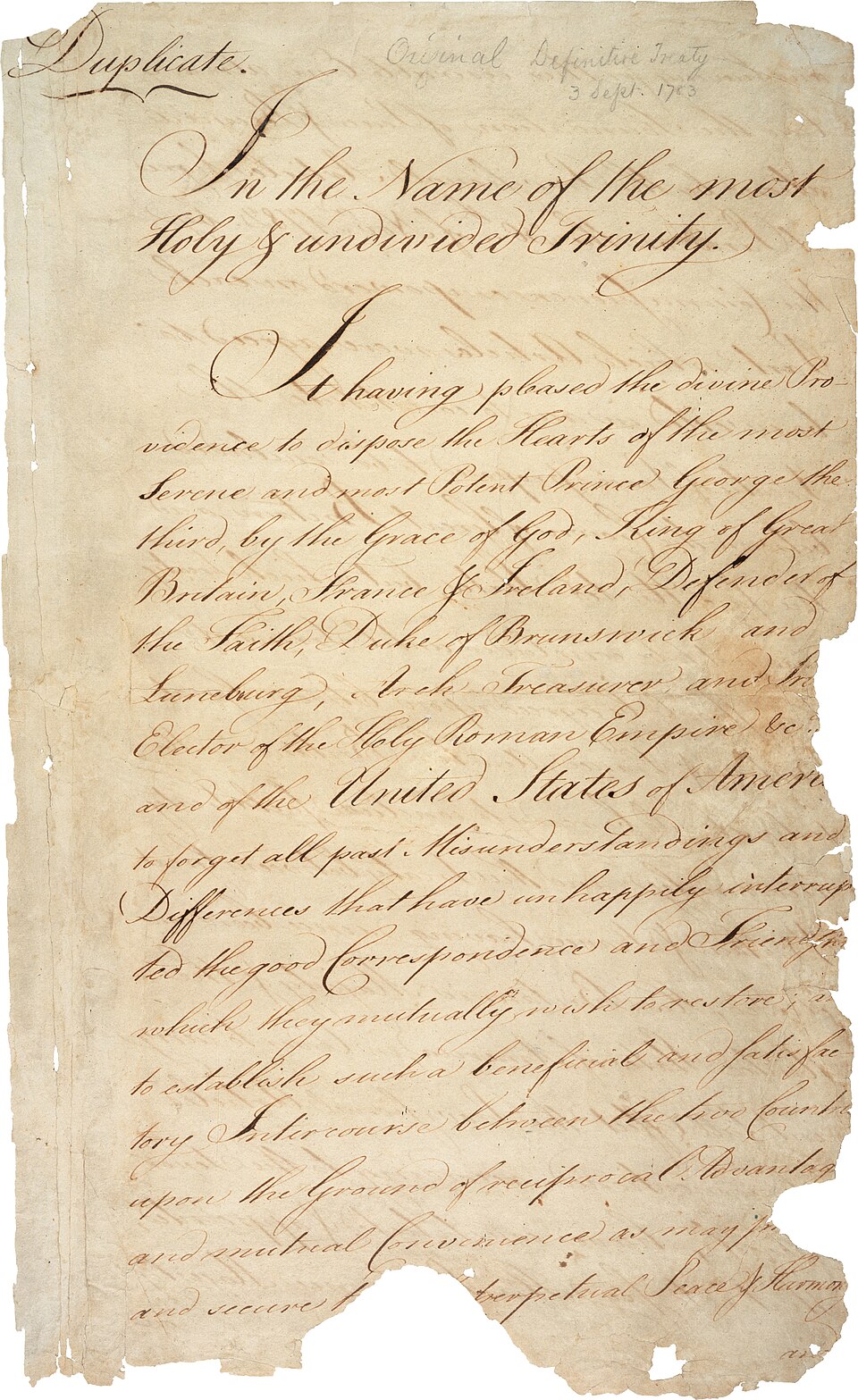
Florida had changed hands before. Spain had ruled it for centuries, but in 1763, after losing a war to Britain, Spain gave up Florida in exchange for getting back the city of Havana. Britain then ruled Florida for twenty years.
Spain saw a chance to get back at its old rival, Britain, and to win back land it had lost. So when the American colonies went to war with Britain, Spain joined the fight on their side. Spanish soldiers captured key British forts in Florida during the war. So when the Treaty of Paris ended the American Revolution in 1783, Florida went back to Spain. Spain divided the territory into two parts — East Florida and West Florida — but struggled to control both from the very start. Very few Spanish settlers moved to Florida. Spain sent only a handful of soldiers and officials to govern a territory it could barely hold.
The Seminole Indians, meanwhile, had been building a life in this area we call Florida. In northern Florida, under Spain's weak authority, the Seminoles lived freely — farming, hunting, and trading. They also welcomed runaway enslaved people from American plantations, offering them shelter. This made American settlers along the border resent the Seminoles deeply. After the return of Florida to Spain in 1783, U.S. leaders believed that controlling Florida was key to securing the Mississippi River and protecting the nation's southern border. Spain was too weak to stop them, and the United States was eager to move in.
Chapter Two: Andrew Jackson Invades Spanish Florida
American settlers along the Georgia-Florida border clashed repeatedly with the Seminole Indians, demanding the return of enslaved people who had escaped to Florida and found safety among them. When the Seminoles sheltered these runaways and refused American demands, raids and fights broke out on both sides of the border. By 1817, the violence had grown into what Americans would call the First Seminole War. In 1818, General Andrew Jackson led an army into Florida to crush the Seminoles. Jackson was already a national hero, famous for defeating the British at the Battle of New Orleans a few years earlier, and he would later become president of the United States.
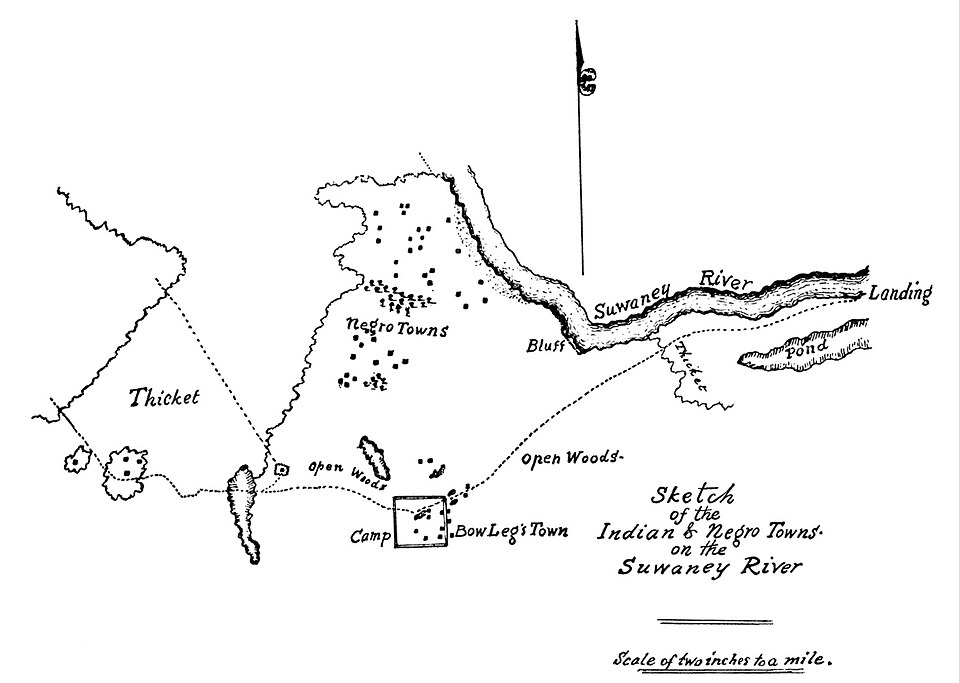
Andrew Jackson marched about 3,000 soldiers into Spanish Florida. His troops burned Seminole villages along the Suwannee River, destroying homes and food supplies. Jackson then captured the Spanish forts at St. Marks and Pensacola. The Spanish governor fled to Cuba rather than face Jackson's army. In a matter of weeks, Jackson had proved that Spain could not defend its own territory.
For the Seminoles, the destruction was terrible. They lost their towns, their crops, and the communities they had built over decades. Yet they never surrendered and never signed a treaty. Spain fared little better. With its forts overrun and its governor gone, Spain had no way to govern or protect Florida any longer. The invasion left both the Seminoles and Spain worse off, and now the United States could move freely into their land.
Chapter Three: Adams and Onís Negotiate Florida's Transfer
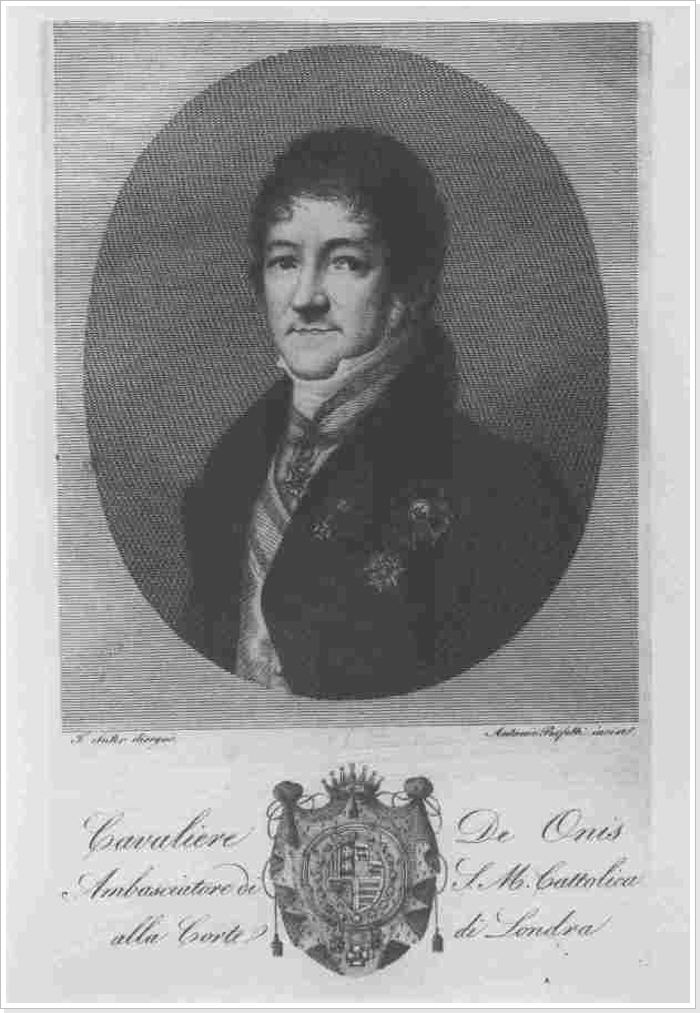
After Jackson's invasion exposed just how helpless Spain had become, John Quincy Adams, the U.S. Secretary of State, pressed Spain to give up Florida. As Secretary of State, Adams was in charge of dealing with other countries on behalf of the United States. He argued that the invasion proved Spain could not defend or control Florida. After months of negotiation, Adams and Spain's minister signed the Adams-Onís Treaty on February 22, 1819. Under its terms, Spain handed over both East and West Florida to the United States. The treaty also drew a border line between U.S. and Spanish land that stretched all the way to the Pacific Ocean. This meant the United States now had a claim to the west coast.
Even after signing, Spain delayed handing over Florida. The Spanish government refused to give its official approval for nearly two years. Spain finally approved the treaty on February 22, 1821, giving up a territory it had held for nearly four decades. The U.S. government then appointed Andrew Jackson to take control of Florida. Jackson organized the territory's first government, but within months he resigned and left.
The Seminole Indians now faced a far more powerful ruler than Spain had ever been. Under Spain's weak authority, the Seminoles had carved out a place to live freely in Florida. Runaway enslaved people had found shelter among them. Now the Seminoles confronted a United States that demanded the return of runaways to their enslavers and pressed Native peoples off their land. By 1821, the Seminoles had lost the autonomy they had fought to maintain, trading one ruler for a much harder one.